5 Signs Your Roof Decking May Need Replacement Soon
Most homeowners never think about what’s underneath their shingles until something goes wrong, but the structure holding everything together plays a bigger role than most people realize. What is decking on a roof is one of the first questions homeowners ask once a roofer starts pointing out soft spots or sagging sections during an inspection. Roof decking is the solid layer that shingles, underlayment, and flashing all rely on for support, and understanding its condition is a key part of any roofing project done right.
In this guide, you will learn:
- What roof decking is and why its condition matters so much
- The main signs that indicate your decking may need replacement
- How to spot decking problems before they turn into bigger issues
- How decking materials compare when it’s time for a replacement
- What to expect from a professional roof decking inspection
Why Roof Decking Matters For Every New Roof

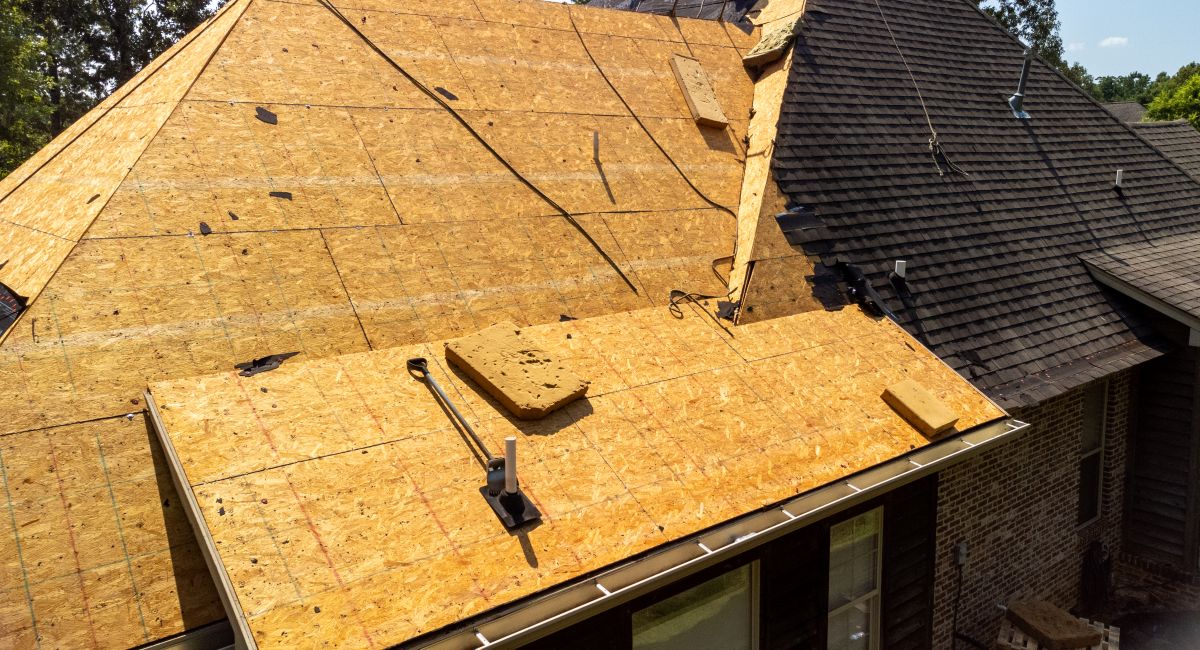
Roof decking, sometimes called sheathing, is the layer of plywood or oriented strand board that sits directly on top of the roof’s rafters or trusses. It creates the flat, solid surface that underlayment and shingles are fastened to, and it plays a major structural role in supporting the entire weight of the roofing system.
Many homeowners assume that as long as the shingles look fine, everything underneath must be in good shape too. In reality, decking can deteriorate quietly for years, hidden beneath a roof surface that still looks perfectly normal from the ground.
Homeowners in Pinehurst and surrounding areas often don’t think about decking until a roof inspection uncovers a problem, but its condition affects far more than just the shingles above it. Here is why it deserves attention:
- Structural Support: Decking distributes weight evenly across the roof, supporting everything from shingles to snow load.
- Moisture Barrier: Solid decking gives underlayment and shingles a stable surface to bond to, reducing the risk of leaks.
- Fastener Holding Power: Healthy decking holds nails and staples securely, which keeps shingles properly anchored during storms.
- Roof Longevity: Weak or rotted decking can shorten the lifespan of an otherwise new roof, since shingles can’t perform well over a failing base.
- Safety: Severely compromised decking can create soft spots that pose a real risk to anyone walking on the roof.
5 Signs You May Need To Replace Roof Decking
Decking problems often develop slowly, which means many homeowners don’t notice the warning signs until they’ve become serious. Here are the most common indicators that decking may need attention.
1. Sagging Or Uneven Roof Sections
A roofline that appears to dip or sag in certain spots is one of the clearest signs that decking has weakened. This often happens when moisture has softened the wood over time, reducing its ability to hold its shape under the weight of the roofing system above it. In many cases, the sag becomes noticeable only after it has progressed significantly, which is why regular inspections matter so much.
- Sagging is often more visible from the ground at certain angles
- Uneven sections may worsen after heavy rain or snow
- Left unaddressed, sagging can spread to surrounding areas of the roof
2. Soft Or Spongy Spots When Walked On
If a roofer notices soft or spongy areas while walking the roof during an inspection, it usually means the decking underneath has been compromised by trapped moisture. This is one of the most reliable ways professionals identify decking issues that aren’t visible from the surface.
- Soft spots often indicate rot has already set in
- These areas typically require full decking replacement rather than a patch
- Walking on compromised decking can be unsafe without proper precautions
3. Visible Water Stains In The Attic
Water stains or discoloration on the underside of the roof deck, visible from inside the attic, are a strong sign that moisture has been getting through for some time. Persistent moisture exposure gradually breaks down the wood fibers, weakening the decking’s structural integrity. A quick check of the attic every so often, especially after a significant storm, can catch this kind of damage well before it spreads.
- Dark staining often points to a slow, ongoing leak rather than a single event
- Musty odors in the attic frequently accompany this kind of moisture damage
- Left unchecked, stained decking often leads to more extensive rot
4. Daylight Visible Through The Roof Boards

In more advanced cases, small gaps or holes in the decking allow daylight to shine through when viewed from inside the attic. This typically signals that the wood has deteriorated enough to create actual openings, which is a serious sign that replacement is needed rather than repair. By the time daylight is visible, the surrounding decking has usually softened as well, even if it hasn’t fully given way yet.
5. Mold Or Mildew Growth On The Decking
Mold and mildew thrive in damp, poorly ventilated spaces, and roof decking that has absorbed moisture over time creates the perfect environment for growth. Once mold appears on the decking itself, it often indicates the wood has been wet long enough to begin breaking down structurally.
- Mold growth can spread quickly across large sections of decking
- It often signals a ventilation issue in addition to a moisture problem
- Removing affected decking is usually necessary, since cleaning alone won’t restore structural strength
How To Spot Damaged Roof Decking Early
Catching decking issues before they become severe can save homeowners from a far more expensive repair down the road. Homeowners in Cary and surrounding areas often benefit from a proactive approach rather than waiting for visible damage to appear.
- Schedule Regular Roof Inspections: A professional can spot early signs of decking damage long before they become visible from the ground.
- Check The Attic After Storms: Water stains or fresh moisture are often easiest to catch immediately following heavy rain.
- Watch For Missing Or Curling Shingles: These can be early indicators that the decking beneath them is no longer providing a stable surface.
- Monitor For Musty Odors: A persistent musty smell in the attic often points to hidden moisture affecting the decking.
- Address Roof Leaks Immediately: Even small leaks left unresolved can lead to damaged decking over time.
Taking these steps seriously can help homeowners catch decking issues while they’re still manageable, rather than discovering them only after a full roof replacement becomes necessary.
Roof Decking Materials Compared

When it’s time to replace roof decking, homeowners typically choose between a few common materials. Homeowners in Raleigh and surrounding areas often ask which option makes the most sense for their home, so here is a closer look at each one before comparing them side by side.
Plywood Roof Decking
Plywood roof decking is made from thin layers of wood veneer glued together under pressure, giving it strong resistance to warping and moisture over time. It remains a popular choice for homeowners who want a durable, long-lasting decking material, particularly in areas with higher humidity or frequent rain.
Oriented Strand Board
Oriented strand board, often called OSB, is made from compressed wood strands bonded with resin. It costs less than plywood and is widely used in modern roof construction, though it can be more prone to swelling if it’s exposed to prolonged moisture without proper ventilation.
Plank Decking
Plank decking, sometimes installed as tongue and groove boards, offers a more traditional look and is often chosen for homes where the underside of the decking is visible, such as vaulted ceilings or covered porches. It tends to cost more than plywood or OSB but adds a finished appearance that some homeowners prefer.
Here is how the three options compare side by side:
| Material | Durability | Moisture Resistance | Typical Cost |
| Oriented Strand Board (OSB) | Good, widely used in modern construction | Moderate, can swell if exposed to prolonged moisture | Lower cost |
| Plywood | Very good, holds up well over time | Better resistance to moisture than OSB | Moderate to higher cost |
| Plank Decking (Tongue And Groove) | Excellent, adds visual appeal in some applications | Good, depends on wood type and treatment | Higher cost |
Plywood and OSB remain the most common choices for standard roof decking replacement, with plywood generally offering better long-term moisture resistance. Plank decking is less common but is sometimes used in homes where the underside of the decking is visible from inside. Whichever material is chosen, proper installation and adequate attic ventilation matter just as much as the decking itself when it comes to long-term performance.
Proper Installation And Decking Work
Even the best decking material will underperform if the decking work itself isn’t done correctly. Proper installation includes using the right fastener spacing, allowing for appropriate expansion gaps between panels, and making sure the decking ties in cleanly with the roof’s ventilation system. Cutting corners on installation is one of the most common reasons decking fails earlier than expected, regardless of which material was used.
What To Consider Before Replacing Decking
- Roof Age: Older roofs may have decking that no longer meets current building code thickness requirements.
- Local Climate: Homes in humid or storm prone areas often benefit from more moisture resistant decking materials.
- Budget: OSB offers a cost effective option for most standard roofing projects, while plywood provides added durability for a higher price.
- Roof Design: Homes with visible decking from below may require a different material for aesthetic reasons.
Protect Your Home By Addressing Decking Issues Early
Roof decking may not be visible once a roof is finished, but its condition determines how well the entire roofing system performs over time. From sagging rooflines to soft spots and visible water stains, catching these warning signs early can prevent a small issue from turning into a costly, extensive repair.
Barkley Jensen Roofing has helped homeowners across Pinehurst and surrounding areas identify decking problems early and replace compromised sections before they lead to bigger issues. Our team inspects decking closely during every roofing project, so nothing gets covered up by new shingles before it’s properly addressed. If you have noticed any of these warning signs or want a professional assessment of your roof’s condition, contact us today and let the Barkley Jensen Roofing team help protect your home from the ground up.