What Is a Ridge Cap on a Roof? 5 Facts You Should Know
If you have ever wondered what is a ridge cap on a roof, it is one of the most important finishing components of your roofing system. Installed along the peak, ridge caps protect your home from moisture, improve curb appeal, and help maintain a quality roof that performs well over time.
In this guide, you will learn:
- Ridge cap purpose: What it does and why it matters
- Installation basics: How it fits into your roofing system
- Material types: Common ridge cap shingle options
- Warning signs: When repairs or replacement are needed
- Maintenance tips: How to extend roof performance
Let’s break down how ridge caps work and why they are essential for homes in Schererville, IN.
What Does a Ridge Cap Do?

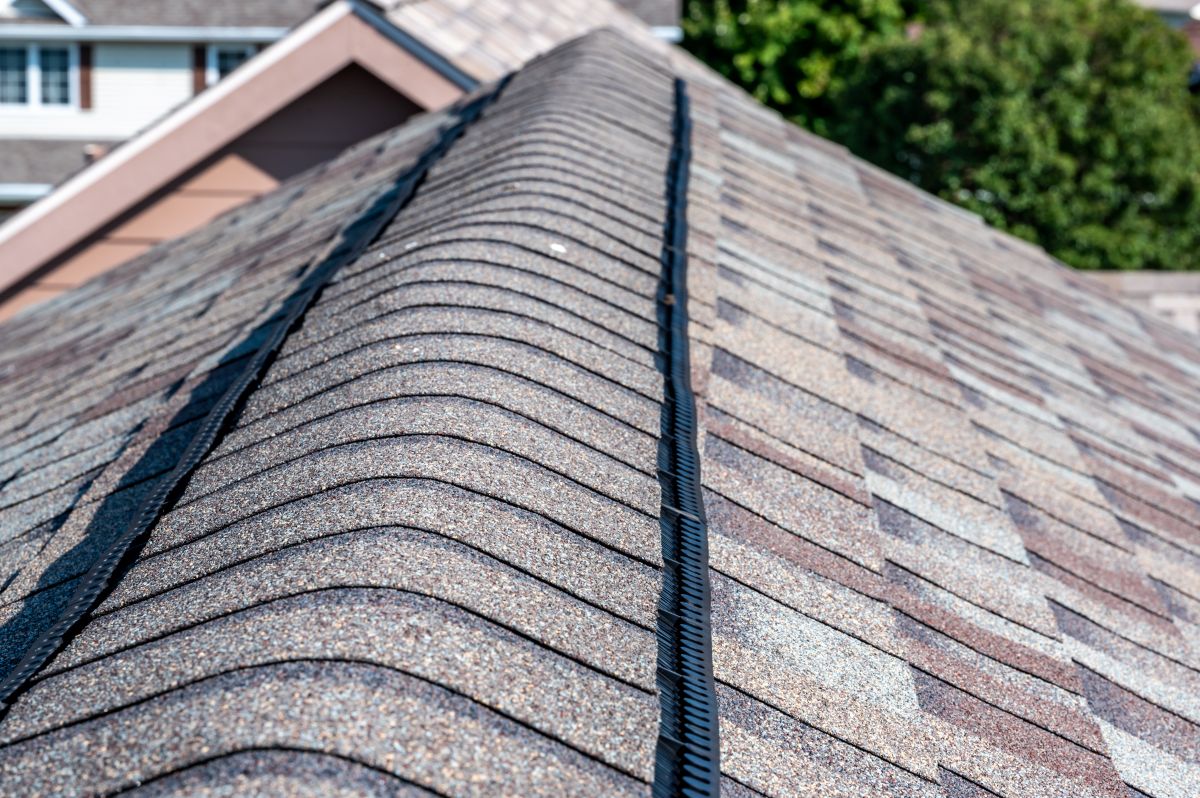
The ridge is where two roof planes meet, making it one of the most exposed and vulnerable areas. Ridge cap shingles are specifically designed to seal and finish this section, preventing water intrusion and protecting the underlying roofing materials.
Without proper coverage, your roof becomes more vulnerable to potential leaks and long-term structural damage. Ridge caps also play a role in your home’s energy efficiency when paired with ventilation systems.
- Seals the ridge line: Prevents water from entering at the peak
- Protects against wind: Reinforces a high-exposure area
- Supports ventilation: Helps regulate airflow and reduce heat buildup
- Boosts curb appeal: Creates a clean, finished roofline
5 Facts About Ridge Caps You Should Know
Ridge caps may seem simple, but they play a major role in roof performance. Understanding how they function can help you protect your investment and avoid costly issues.
1. Ridge Caps Are Designed Differently From Standard Shingles
Ridge cap shingles are thicker and more flexible than standard roof shingles, allowing them to bend over the ridge without cracking. This design helps them withstand exposure from multiple angles and provides long-term durability.
- Flexible construction: Fits tightly along the ridge
- Thicker material: Handles wind and weather stress
- Targeted performance: Built specifically for ridge protection
2. They Help Prevent Water Intrusion
The ridge line is one of the most common areas for potential leaks if not sealed correctly. Ridge caps act as a protective barrier that prevents moisture from entering your roof system.
- Seals roof seams: Covers the junction between slopes
- Blocks moisture: Protects underlayment and decking
- Prevents damage: Reduces risk of rot and mold
3. Ridge Caps Improve Ventilation and Efficiency
Ridge caps are frequently installed over a continuous gap in the roof’s sheathing to accommodate a ridge vent. This allows hot air and moisture to escape while blocking rain and pests. According to the U.S. Department of Energy, HVAC systems and ducts located in unconditioned attics increase energy use for heating and cooling by 10% — making proper ridge ventilation supported by a correctly installed ridge cap one of the most impactful ways to improve attic conditions and reduce long-term energy waste.
- Improves airflow: Supports proper attic ventilation
- Enhances energy efficiency: Helps regulate indoor temperatures
- Prevents moisture buildup: Reduces condensation issues
4. Proper Installation Is Critical
Ridge cap installation requires precision to ensure a watertight seal and long-term durability. Incorrect installation can lead to lifting, leaks, and reduced performance.
- Correct overlap: Prevents water from entering seams
- Secure fastening: Keeps shingles in place during storms
- Proper alignment: Ensures consistent coverage
5. Poor Installation Can Affect Warranty Coverage
Improper installation can void warranty coverage and lead to premature failure. Hiring a reputable contractor ensures your ridge caps are installed correctly and meet manufacturer specifications.
- Protects warranties: Ensures compliance with guidelines
- Reduces risk: Prevents installation-related failures
- Ensures quality roof performance: Improves long-term results
Types of Ridge Cap Shingles

Different roofing systems use different types of ridge cap shingles. Choosing the right option helps ensure compatibility with your asphalt shingles and overall roofing materials.
- Asphalt ridge caps: Designed to match standard asphalt shingles and provide reliable performance
- Pre-cut ridge cap shingles: Manufactured specifically for ridges, offering consistent sizing and easier installation
- Architectural ridge caps: Thicker and more durable, often used with dimensional shingles
- Metal ridge caps: Used with metal roofing systems for enhanced durability
- High-profile ridge caps: Provide a more defined look and improved curb appeal
Signs Your Ridge Cap Needs Repair or Replacement
Ridge caps are exposed to constant weather conditions, so they can wear down over time. Identifying early warning signs helps prevent more serious roofing problems.
- Missing ridge cap shingle: Leaves the ridge exposed and vulnerable to water intrusion
- Cracked or damaged shingles: Can lead to potential leaks and structural damage
- Loose or lifted sections: Increase risk of wind damage and further deterioration
- Granule loss: Indicates aging asphalt shingles nearing the end of lifespan
- Uneven ridge line: May signal installation issues or structural movement
How Ridge Caps Are Installed
Proper ridge cap installation is essential for creating a watertight seal and ensuring long-term durability. This process requires attention to detail and correct placement techniques.
Preparing the Ridge Line
The ridge must be cleaned and inspected before installation begins. This includes removing debris and ensuring the surface is ready for new materials.
- Clean the area: Remove dirt and old roofing material
- Check ridge vent: Align ventilation components if present
- Inspect roof sheathing: Ensure structural integrity
Installing Ridge Cap Shingles
The installation of ridge cap shingles typically involves laying the shingles starting from one end of the ridge and working across.
- Start at one end: Work consistently along the ridge
- Align shingles carefully: Maintain straight placement
- Overlap each shingle: Create a watertight seal
Securing and Sealing
Proper fastening ensures ridge caps remain secure against wind and weather.
- Use roofing nails or adhesive: Secure each piece firmly
- Maintain consistent spacing: Prevent lifting or movement
- Seal edges: Protect against water infiltration
Final Inspection
A final inspection ensures the ridge cap installation is complete and functioning properly.
- Check alignment: Ensure a straight ridge line
- Inspect fasteners: Confirm secure attachment
- Verify sealing: Ensure no gaps remain
Ridge Cap Cost Overview
Understanding costs helps homeowners plan for maintenance or replacement. Pricing varies based on materials, labor, and roof size.
| Ridge Cap Type | Average Cost per Linear Foot | Best For | Key Benefit |
| Asphalt Ridge Caps | $10–$20 | Standard homes | Cost-effective and reliable |
| Architectural Ridge Caps | $15–$30 | Upgraded roofs | Increased durability |
| Metal Ridge Caps | $20–$40 | Metal roofing | Long lifespan |
| High-Profile Ridge Caps | $25–$45 | Premium designs | Enhanced curb appeal |
Local Roofing Conditions and Ridge Performance

Homes in Northwest Indiana experience strong winds, heavy snow, and seasonal storms. These conditions put added stress on ridge caps and increase the risk of damage if they are not properly installed.
We’re proud to serve home and business owners in Schererville, Munster, and nearby communities in Indiana with roofing solutions designed to handle local weather challenges and protect properties year-round.
Common Questions About Ridge Caps
Homeowners often have questions about ridge caps, especially when it comes to maintenance and performance. Understanding these details can help you make informed decisions about your roof.
How long do ridge caps last?
Most ridge cap shingles last between 15 and 30 years depending on material and installation quality. Regular inspections can help extend their lifespan and prevent unexpected issues.
Can ridge caps be repaired instead of replaced?
Minor issues such as a missing ridge cap shingle or small cracks can often be repaired. However, widespread damage usually requires full replacement to maintain proper protection.
Do ridge caps affect energy efficiency?
Yes, ridge caps help support ventilation systems that improve your home’s energy efficiency. Proper airflow reduces heat buildup and moisture in the attic.
How do I choose the right contractor?
Look for a reputable contractor with experience in ridge cap installation and roofing systems. This ensures quality workmanship and helps protect your warranty coverage.
Strong Roof Protection with Armour Construction
A properly installed ridge cap is essential for maintaining a durable and reliable roofing system. From preventing leaks to improving ventilation, this component plays a major role in protecting your home.
Armour Construction delivers expert roofing services with a focus on precision, quality materials, and long-term results. Our team ensures every ridge cap installation meets the highest standards for performance and durability.
Contact Armour Construction today to schedule your free roof inspection and ensure your roof is built to last.