Vertical Vs Horizontal Siding: 6 Benefits For Your Exterior
Choosing new siding is one of the most visible decisions a homeowner can make, and the direction those panels run has a bigger impact than most people expect. Vertical vs horizontal siding is a common question during exterior renovations, since each orientation brings its own look, performance, and installation considerations to the table. Before settling on a direction, it helps to see how siding choices fit into the broader picture of protecting and updating your home’s exterior.
In this guide, you will learn:
- Why the direction of your siding matters for style and performance
- Six key benefits offered by vertical and horizontal siding options
- How to decide which orientation fits your home’s architecture
- A side by side comparison of both styles across key factors
- What to expect when planning a siding project with a professional
Why Siding Orientation Matters For Your Home

Siding does more than protect a home from the elements. It sets the tone for the entire exterior, influencing everything from architectural style to how well the home blends into its surroundings. Whether panels run vertically or horizontally changes the visual proportions of a house and can even affect performance in certain climates.
This choice has become more relevant in recent years as homeowners increasingly mix and match siding styles to create a custom look, rather than defaulting to whatever direction their home originally had installed.
Homeowners in Garner and surrounding areas often assume siding orientation is purely an aesthetic choice, but it actually plays a role in maintenance, water drainage, and long-term durability as well. Here is why this decision deserves real consideration:
- Curb Appeal: The direction of siding panels can dramatically change how a home’s exterior is perceived from the street.
- Architectural Compatibility: Certain home styles pair more naturally with one orientation over the other.
- Water Management: Panel direction can influence how effectively water sheds off the exterior surface.
- Installation Complexity: Some orientations require more specialized techniques, affecting labor time and cost.
- Resale Appeal: A well-chosen siding style can strengthen a home’s overall market appeal.
6 Benefits Of Vertical And Horizontal Siding For Your Exterior
Both vertical and horizontal siding bring distinct advantages to the table, and understanding these benefits can help homeowners choose the direction that best fits their goals. Here is a closer look at what each orientation offers.
1. Vertical Siding Creates A Modern, Elongated Look
Vertical siding has become increasingly popular for homeowners looking to give their exterior a more contemporary feel. The upward lines create an elongated visual effect that can make a home appear taller and more striking, particularly when paired with clean, minimalist architectural details. This style has grown especially popular alongside the rise of modern farmhouse design, where board and batten style vertical panels have become something of a signature look.
- Works especially well on modern farmhouse and contemporary style homes
- Creates a strong visual accent when used on gables, porches, or entryways
- Pairs effectively with horizontal siding for a mixed material look
2. Vertical Siding Offers Strong Water Runoff
Because the panels run straight up and down, vertical siding allows water to flow directly downward with fewer horizontal seams for moisture to collect against. This can be an advantage in areas prone to heavy rain, since water has a more direct path off the exterior surface.
- Fewer horizontal seams mean fewer potential points for water infiltration
- Particularly useful on accent walls exposed to direct rainfall
- Can complement other water management features like proper flashing and gutters
3. Horizontal Siding Offers A Classic, Widely Compatible Style

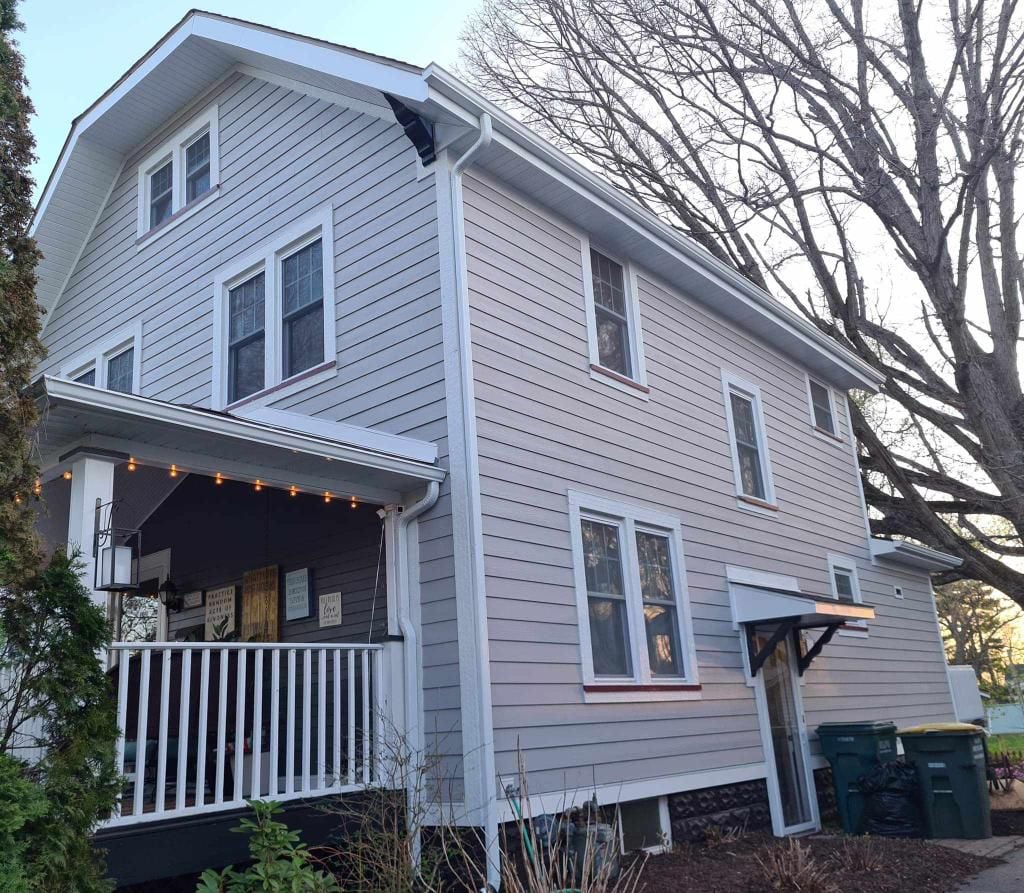
Horizontal siding remains the most common choice for a reason. Its traditional look suits a wide range of architectural styles, from colonial to craftsman to ranch homes, making it a safe and reliable choice for homeowners who want broad compatibility with their home’s existing design. For homeowners unsure of committing to a bolder look, horizontal siding offers a dependable option that rarely feels out of place.
- Complements nearly every architectural style without looking out of place
- Widely recognized and generally well received by potential buyers
- Offers a timeless appearance that doesn’t feel tied to a specific design trend
4. Horizontal Siding Is Often Simpler And More Cost-Effective To Install
Because horizontal siding has been the industry standard for decades, most installation crews are highly experienced with the process, which often translates into faster, more cost-effective installation. The straightforward technique also means fewer specialized tools or adjustments are needed during the project.
- Faster installation can reduce overall labor costs
- Wide availability of experienced installers reduces project risk
- Simpler repairs and replacements if individual panels are damaged later
5. Vertical Siding Provides Versatile Accent Options
Even homeowners who prefer an overall horizontal look often use vertical siding strategically as an accent. This combination allows a home to benefit from the classic feel of horizontal siding while adding visual interest through targeted vertical sections.
- Commonly used on gables, dormers, or entryway features
- Creates contrast that highlights specific architectural details
- Allows for a customized look without committing to an entirely vertical exterior
6. Horizontal Siding Offers Broad Material And Color Availability
Because horizontal siding has been the standard for so long, it’s available in a wider range of materials, colors, and styles compared to vertical options. This gives homeowners more flexibility when trying to match a specific vision or work within a particular budget.
- Available across most siding materials, including vinyl, fiber cement, and wood
- Broader color selection makes it easier to match neighborhood aesthetics
- Easier to source replacement panels if repairs are needed down the road
Which Orientation Fits Your Home’s Architecture?
Choosing between vertical and horizontal siding often comes down to matching the style to your home’s existing architecture and personal preferences. Homeowners in Cary and surrounding areas frequently consult with a contractor to determine which option best complements their home’s design.
- Modern And Contemporary Homes: Vertical siding often enhances the clean lines and minimalist features common in these styles.
- Traditional And Colonial Homes: Horizontal siding tends to complement the classic proportions of these architectural styles.
- Farmhouse Style Homes: A mix of both orientations, with vertical accents on gables or porches, is a popular choice.
- Ranch Style Homes: Horizontal siding’s clean, low profile lines typically suit the horizontal emphasis of ranch architecture.
- Homes With Mixed Materials: Combining both orientations can create visual interest while still feeling cohesive.
Consulting with an experienced contractor can help homeowners see how each option would actually look on their home before committing to a full siding project. Many contractors can provide renderings or sample panels so you can compare orientations against your actual home rather than relying on imagination alone.
Vertical Vs Horizontal Siding: Side By Side Comparison

Seeing both options compared directly can make the decision easier. Homeowners in Durham and surrounding areas often review this kind of breakdown before finalizing their exterior renovation plans.
| Factor | Vertical Siding | Horizontal Siding |
| Visual Style | Modern, elongated appearance | Classic, widely recognized appearance |
| Water Management | Fewer horizontal seams for water to collect | Reliable performance with proper installation |
| Installation Cost | Often higher due to specialized techniques | Typically lower due to installer familiarity |
| Material Availability | More limited range of colors and materials | Wide range of materials, colors, and styles |
| Architectural Fit | Best for modern, contemporary, or accent applications | Best for traditional, colonial, and ranch style homes |
Making The Final Decision
- Budget Considerations: Horizontal siding often provides more cost-effective options for homeowners working within a set budget.
- Design Goals: Vertical siding can help achieve a bolder, more modern aesthetic for homeowners looking to stand out.
- Long-Term Plans: If resale value is a priority, horizontal siding’s broad appeal may be the safer choice.
- Combining Both: Many homeowners find that blending vertical accents with a horizontal base achieves the best of both styles.
Choose The Right Siding Direction For Your Home
Whether vertical or horizontal siding is the right fit depends on your home’s architecture, your budget, and the overall look you’re hoping to achieve. Both orientations offer real benefits, and understanding those differences can help you make a confident, informed decision before starting your exterior project.
Barkley Jensen Roofing has helped homeowners across Garner and surrounding areas choose the siding orientation and materials that best fit their homes and their goals. Our team walks through style options, material choices, and budget considerations together, so you can move forward with a plan that matches your vision. If you are planning a siding upgrade and want expert guidance on which direction makes the most sense for your exterior, contact us today and let the Barkley Jensen Roofing team help bring your vision to life.