6 Major Differences In Synthetic Roof Underlayment Vs Felt
Long before shingles ever go down, the layer underneath them quietly determines how well a roof will hold up over time. Synthetic roof underlayment vs felt is one of the most common comparisons homeowners run into during a roof replacement, and the choice affects everything from durability to how the finished roof performs during severe weather. Understanding the differences between these two materials is a key part of planning a roofing project built to last.
In this guide, you will learn:
- Why choosing the right underlayment matters for your roof’s performance
- The major differences between synthetic underlayment and felt
- How to decide which material is the right fit for your home
- A side by side comparison of both options across key factors
- What to expect when discussing underlayment choices with a roofing contractor
Why Choosing The Right Underlayment Matters

Roof underlayment sits between the roof deck and the shingles, acting as a secondary barrier against moisture that manages to work its way past the surface layer. While it is rarely visible once a project is finished, it plays a major role in how well a roof holds up against wind, rain, and everyday wear.
For most of roofing history, felt paper was the default choice simply because there wasn’t a widely available alternative. Synthetic underlayment has since become increasingly common as manufacturers look for materials that hold up better during installation and perform more consistently over the life of the roof.
Homeowners in Hebron and surrounding areas often overlook underlayment when planning a roofing project, focusing instead on shingle color or style. Here is why the underlayment choice deserves just as much attention:
- Moisture Protection: A quality underlayment keeps water out even if wind or storm damage compromises the shingles above.
- Roof Longevity: The right underlayment reduces the risk of hidden water damage that can shorten a roof’s overall lifespan.
- Installation Safety: Some underlayment materials offer better traction for roofing crews, which improves both safety and installation quality.
- Weather Resistance: Certain underlayment types hold up better in extreme heat, cold, or prolonged UV exposure before shingles are installed.
- Warranty Support: Many shingle warranties specify underlayment requirements, making the right choice essential for full coverage.
6 Major Differences Between Synthetic Underlayment And Felt
Synthetic underlayment and felt paper serve the same basic purpose, but they are built very differently and perform in noticeably different ways. Here are the major differences homeowners should understand before making a decision.
1. Durability And Tear Resistance
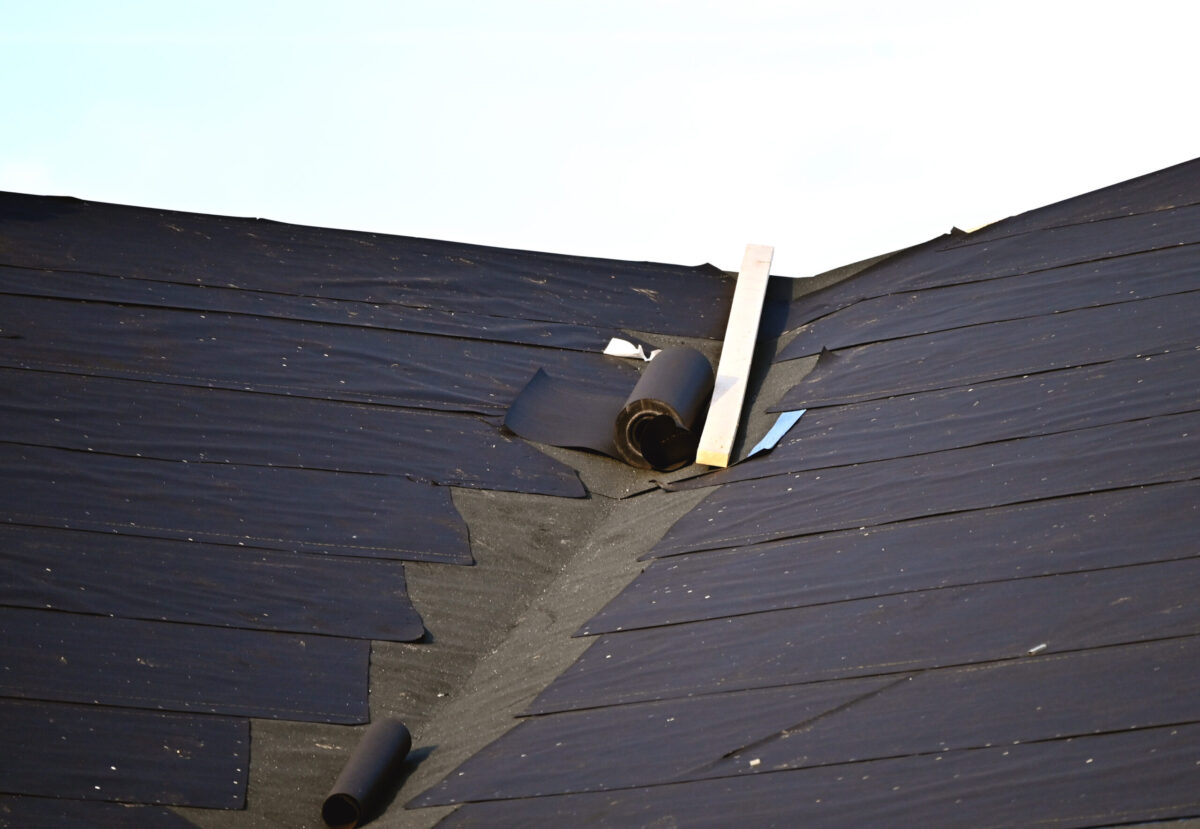
Felt paper is made from an organic or fiberglass mat saturated with asphalt, which makes it prone to tearing, especially in windy conditions during installation. Synthetic underlayment is engineered from woven or spun polymer materials, giving it significantly higher tear resistance and making it far more durable both during installation and over the life of the roof. Roofing crews often notice the difference immediately, since felt can rip along the edges or around fastener points if it isn’t handled carefully.
- Felt can tear easily when walked on repeatedly during installation
- Synthetic materials resist punctures from foot traffic and equipment
- Reduced tearing means fewer gaps in coverage once the roof is complete
2. Weather And Moisture Resistance
Felt underlayment absorbs moisture more readily than synthetic options, which can lead to wrinkling, buckling, or even mold growth if it gets wet before shingles are installed. Synthetic underlayment is designed to be water resistant and often fully waterproof, which allows it to withstand rain exposure during construction without compromising its performance.
- Synthetic underlayment holds up better if a project is delayed by weather
- Felt is more vulnerable to wrinkling once exposed to moisture
- Synthetic materials maintain a flatter, more consistent surface for shingle installation
3. Weight And Ease Of Installation

Felt paper is considerably heavier than synthetic underlayment, which makes it more difficult to transport and install, particularly on larger roofs. Synthetic rolls are lighter and typically cover more square footage per roll, which speeds up installation and reduces the physical strain on roofing crews.
- Lighter rolls mean fewer trips up and down the ladder during installation
- Larger roll coverage reduces the number of overlaps and seams
- Faster installation can shorten overall project timelines
4. Expected Lifespan
Felt paper generally has a shorter functional lifespan than synthetic underlayment, often breaking down faster when exposed to UV light or moisture over time. Synthetic underlayment is engineered to resist UV degradation for longer periods, which matters if there is any delay between underlayment installation and the final shingle layer going down. In climates with unpredictable weather, that extra buffer of durability can make a meaningful difference in how well the roof deck stays protected before shingles are installed.
- Felt exposed to sun for even a short time can become brittle
- Synthetic underlayment often carries manufacturer exposure ratings of several months
- A longer functional lifespan reduces the risk of needing repairs before the roof is finished
5. Overall Cost Considerations
Felt underlayment typically costs less upfront than synthetic alternatives, which is part of why it remained the standard for so long. Synthetic underlayment carries a higher initial price, but its durability, lighter weight, and easier installation often offset that cost through labor savings and long-term performance. When homeowners factor in the reduced likelihood of moisture damage and the longer functional lifespan, the total cost difference often narrows considerably over the life of the roof.
6. Slip Resistance And Walkability
Felt paper can become notably slippery once it’s exposed to dew, rain, or foot traffic, which raises safety concerns for roofing crews working on a slope. Many synthetic underlayment products are manufactured with a textured surface specifically designed to improve traction, giving installers more secure footing throughout the project.
- Textured synthetic surfaces reduce slip related accidents during installation
- Better footing can lead to more accurate, consistent shingle placement
- Wet felt paper poses a greater fall risk on steep roof pitches
Which Underlayment Is Right For Your Home?
Choosing between synthetic underlayment and felt often comes down to a mix of budget, climate, and long-term goals for the roof. Homeowners in Crown Point and surrounding areas frequently ask which option makes the most sense for their specific situation, so here are the main factors worth weighing.
- Climate Exposure: Homes in areas with heavy rain, snow, or humidity often benefit most from synthetic underlayment’s superior moisture resistance.
- Project Timeline: If weather delays are a possibility, synthetic underlayment’s water resistance offers more flexibility during installation.
- Roof Complexity: Roofs with steep pitches or complicated layouts may benefit from the lighter weight and easier handling of synthetic materials.
- Budget Priorities: Homeowners focused on minimizing upfront costs may still choose felt, provided the roof isn’t in a particularly harsh climate.
- Shingle Warranty Requirements: Some manufacturer warranties specify or recommend synthetic underlayment, which can influence the decision.
Talking through these factors with an experienced roofing contractor can help homeowners land on the option that best matches both their budget and their long-term expectations for the roof. A contractor familiar with local weather patterns can also point out considerations that aren’t always obvious from general guidance alone, such as how a specific roof pitch or shading pattern might affect underlayment performance over time.
Synthetic Underlayment Vs Felt: Side By Side Comparison

Seeing the two materials compared directly often makes the decision easier. Homeowners in Highland and surrounding areas frequently review this kind of breakdown before finalizing their roofing plans, especially when comparing quotes that specify different underlayment types.
| Feature | Synthetic Underlayment | Felt Underlayment |
| Tear Resistance | High, resists punctures and foot traffic | Lower, more prone to tearing |
| Moisture Resistance | Water resistant to fully waterproof | Absorbs moisture, prone to wrinkling |
| Weight | Lightweight, easier to handle | Heavier, more difficult to install |
| UV Resistance | Withstands extended sun exposure | Degrades faster under prolonged UV exposure |
| Upfront Cost | Higher initial cost | Lower initial cost |
| Typical Lifespan | Longer functional lifespan | Shorter functional lifespan |
What This Means For Your Roofing Project
- Short-Term Savings Vs Long-Term Value: Felt may save money upfront, but synthetic often performs better over the life of the roof.
- Installation Considerations: Synthetic underlayment’s lighter weight and durability can reduce labor time and improve overall installation quality.
- Climate Matters: The more extreme the local weather, the more synthetic underlayment’s advantages tend to stand out.
Make The Right Underlayment Choice For Your Roof
Understanding the differences between synthetic roof underlayment and felt helps homeowners make a more informed decision before a roofing project begins. While both materials serve the same basic purpose, their differences in durability, moisture resistance, and long-term performance can have a real impact on how well a roof holds up over the years. Taking the time to understand these tradeoffs now can prevent costly surprises down the road, especially if the roof faces harsh winters, heavy storms, or extended sun exposure.
Armour Construction has helped homeowners across Hebron and surrounding areas choose the right underlayment for their specific roof and climate needs. Our team walks through the tradeoffs between synthetic and felt options during every consultation, so homeowners understand exactly what is going into their roofing system before work begins. If you are planning a roof replacement and want expert guidance on underlayment options, contact us today and let the Armour Construction team help you build a roofing system designed to last.