6 Sustainable Roofing Options for Eco Homes (Trends for 2026)
As homeowners increasingly prioritize environmental responsibility, the demand for sustainable roofing options has never been higher. Choosing the right roofing materials and practices not only reduces your home’s carbon footprint but also improves energy efficiency and durability. For those interested in incorporating green principles into their homes, exploring sustainable roofing can be a game changer. To discover how sustainable roofing solutions can transform your home, consider visiting professional roofing service providers who specialize in eco-friendly options.
- Understand the most popular sustainable roofing materials available in 2026.
- Learn about the environmental and economic benefits of eco-friendly roofs.
- Explore trends shaping the future of roofing for green homes.
- Discover maintenance tips to prolong the lifespan of sustainable roofs.
Why Sustainable Roofing Options Matter Today
As climate change concerns grow and energy costs rise, sustainable roofing options represent a crucial investment for homes designed with environmental stewardship in mind. Roofing significantly influences a home’s energy consumption and ecological impact, making eco-conscious choices integral to reducing environmental footprints. Understanding trends and material innovations helps homeowners make informed decisions that benefit both their household and the planet.

- Energy Efficiency: Sustainable roofs often improve insulation, lowering heating and cooling demands.
- Reduced Waste: Many eco-friendly materials are recyclable or contain recycled content, minimizing landfill contributions.
- Longevity: Durable sustainable materials can decrease replacement frequency.
- Water Management: Some eco roofing solutions assist with rainwater harvesting or reduce runoff.
- Property Value: Green features are increasingly attractive to buyers, enhancing resale potential.
6 Leading Sustainable Roofing Options to Consider in 2026
Choosing the right sustainable roofing material depends on your climate, budget, and aesthetic preferences. Here are six of the most promising eco-friendly roofing options trending in 2026:
1. Cool Metal Roofing
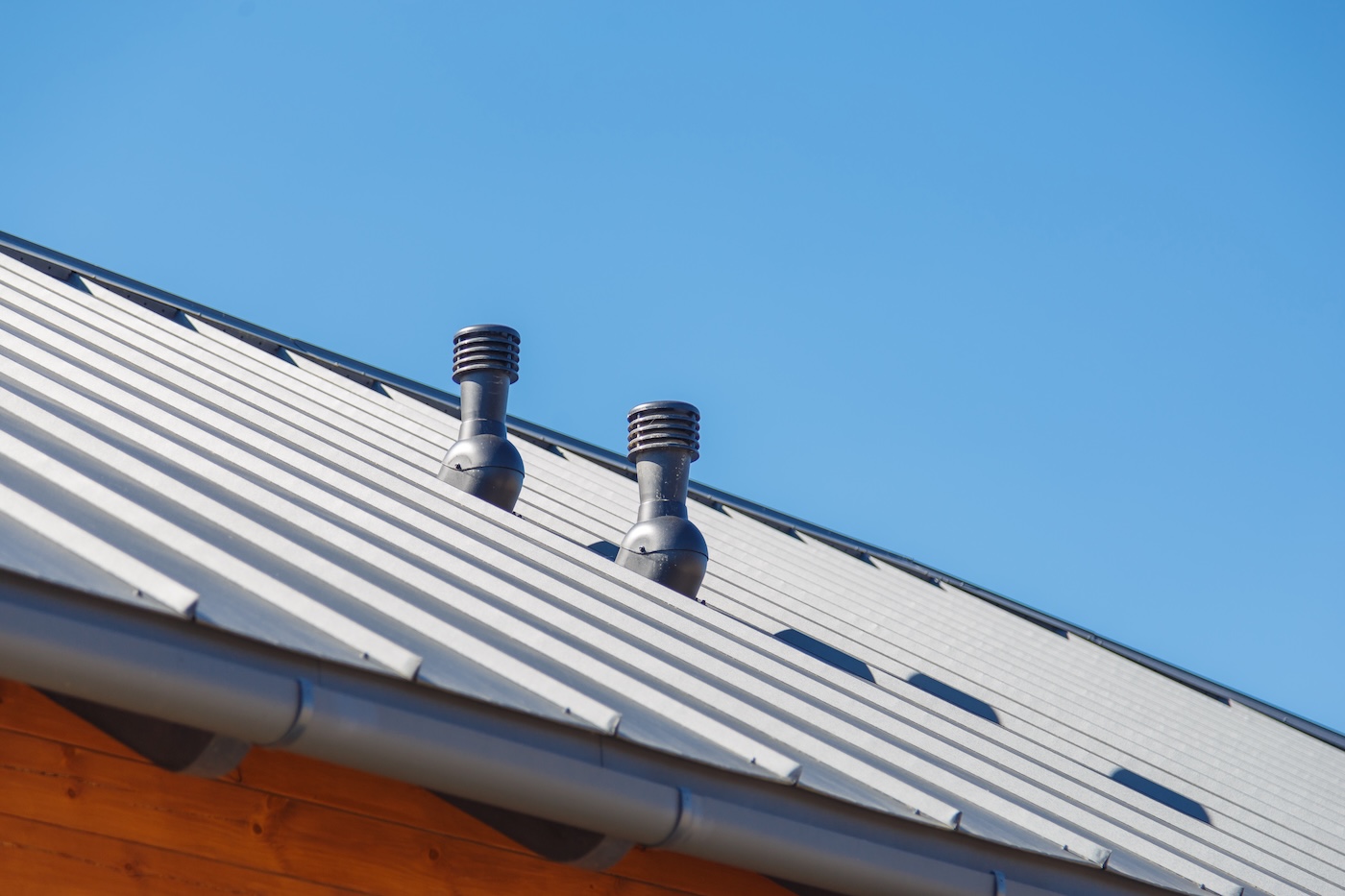
Metal roofing has grown in popularity due to its durability and recyclability. Cool metal roofs are treated with reflective coatings that reduce heat absorption, significantly lowering cooling costs in warmer climates.
- Durability: Can last 40-70 years with proper maintenance.
- Energy Savings: Reflects solar radiation for cooler indoor temperatures.
2. Recycled Rubber Roofing
Made from recycled tires, rubber roofing provides a waterproof and flexible solution that repurposes a waste product. It offers resilient protection while supporting waste reduction efforts.
- Environmental Impact: Diverts tires from landfills.
- Cost Effectiveness: Generally more affordable than other sustainable materials.
3. Green (Living) Roofs
Green roofs involve a layer of vegetation planted over waterproof membranes which improves insulation, manages stormwater, and enhances urban biodiversity.
- Air Quality: Plants filter pollutants and absorb carbon dioxide.
- Stormwater Management: Reduces runoff during heavy rains.
4. Solar Shingles

Integrating photovoltaic technology directly into roofing shingles turns your roof into a power generator, supporting renewable energy use without compromising aesthetic appeal.
- Electricity Generation: Reduces reliance on fossil fuels.
- Seamless Design: Blends with traditional roof styles.
5. Clay and Concrete Tiles
These natural materials possess excellent heat resistance and longevity, often produced with recycled content or sourced sustainably, supporting environmentally mindful construction.
- Thermal Performance: Naturally reflect sunlight.
- Durability: Often last over 50 years.
6. Wood Shingles from Sustainable Forestry
Using wood sourced from responsibly managed forests ensures forests’ health while providing renewable, biodegradable roofing options that offer natural beauty and insulation.
- Sustainable Sourcing: Certified wood reduces deforestation risks.
- Insulation: Natural fibers help maintain indoor temperatures.
Additional Considerations for Sustainable Roofing Implementation
When planning to implement sustainable roofing options, several factors beyond material selection should be considered for maximizing benefits.

Installation Practices
Professional installation ensures material integrity and performance. Eco-conscious contractors often recycle old roofing materials and use non-toxic sealants to reduce environmental harm.
Roof Orientation and Ventilation
The direction your roof faces can impact energy efficiency, especially for solar integration. Proper ventilation helps regulate temperature and moisture, extending roof lifespan.
Maintenance and Longevity
While sustainable options often last longer than traditional roofs, routine inspections and cleaning prevent debris buildup and damage, preserving efficiency over years.
Local Climate Impact
Choosing a roofing option suited to your region’s climate — such as heavily insulated tiles for colder areas or reflective materials for hot zones — maximizes sustainability.
Comparing Sustainable Roofing Options: Pros and Cons
To help select the best roofing system for your eco home project, consider the following comparison of key sustainable roofing materials commonly used today:
| Roofing Material | Environmental Benefit | Typical Lifespan | Cost Range | Ideal Use |
|---|---|---|---|---|
| Cool Metal Roofing | Highly recyclable, reflective coating saves energy | 40-70 years | Moderate to high | Hot climates, modern aesthetics |
| Recycled Rubber Roofing | Uses waste tires, flexible waterproof layer | 30+ years | Low to moderate | Budget-friendly, water-resistant needs |
| Green (Living) Roofs | Improves air quality, manages stormwater | 20-50 years with maintenance | High | Urban areas, biodiversity enhancement |
| Solar Shingles | Generates renewable electricity | 25-30 years | High initial investment | Renewable energy focus, contemporary design |
| Clay and Concrete Tiles | Natural materials, thermal mass benefits | 50+ years | Moderate to high | Traditional styles, hot or variable climates |
| Wood Shingles (Sustainably Sourced) | Renewable, biodegradable | 20-30 years | Moderate | Rustic aesthetics, temperate climates |
Taking Action: Building Your Eco Home’s Roof for Tomorrow
Choosing sustainable roofing options for your eco-friendly home is an investment in the environment as well as your property’s future. By selecting materials and designs that reduce energy usage and environmental impact, you contribute positively to your community and global health.
For tailored advice and installation expertise, explore how Armour can assist you—contact us today to discuss sustainable roofing solutions for your home and surrounding areas that combine innovation with reliability.