Standing Seam vs Corrugated Metal Roof: 6 Key Differences
Metal roofing has become a popular upgrade for homeowners who want strength, longevity, and a clean look, but not every metal roof performs the same way. The standing seam vs corrugated metal roof question comes up often because the two panel styles look different, install differently, and carry very different price tags. Knowing where they diverge helps you choose with confidence, whether you are planning a full roof upgrade or just exploring your options.
In this guide, you will learn:
- How standing seam and corrugated panels are built
- Six key differences in appearance, performance, and cost
- Which roof style fits different homes and budgets
- A side by side comparison of both options
- What to ask a contractor before you commit
Why Choosing The Right Metal Roof Panel Matters

A metal roof is a long term investment, and the panel style you choose affects how it looks, how well it sheds water, and how much maintenance it needs over the decades ahead. Two roofs made from the same metal can behave very differently depending on how the panels connect and how they are fastened to the roof deck.
Many homeowners assume all metal roofing is basically the same, then discover during the estimate process that the options vary widely in price, appearance, and upkeep. Learning the differences early keeps you from comparing quotes that are not truly equal.
Homeowners in Winfield and surrounding areas deal with heavy snow, summer storms, and wide temperature swings, so durability matters just as much as curb appeal. Here is why the choice deserves careful thought:
- Long-Term Value: The right panel can last decades longer than the wrong one, which changes the true cost of ownership.
- Weather Performance: Panel design influences how well the roof handles wind, rain, snow, and thermal expansion.
- Maintenance Needs: Some systems need periodic hardware checks, while others are largely hands-off.
- Curb Appeal: Panel profile shapes the personality of the home, from sleek and modern to rustic and traditional.
- Budget Planning: Material and labor costs vary enough between styles to change the scope of a project.
6 Key Differences Between Standing Seam And Corrugated Metal Roofs
Both styles use metal panels, but the way they are shaped and attached creates meaningful differences. Here are the six that matter most to homeowners.
1. Fastener Design: Concealed vs Exposed
Standing seam panels have raised, interlocking seams, and the fasteners are hidden beneath the panels or inside the seams. Corrugated panels are fastened straight through the face of the metal with exposed screws that have rubber washers.
- Concealed fasteners leave fewer openings for water
- Exposed screws sit directly in the weather and can loosen over time
- Rubber washers on corrugated panels eventually wear and may need replacing
- Concealed systems use clips that let panels shift without stressing the fasteners
2. Appearance And Style
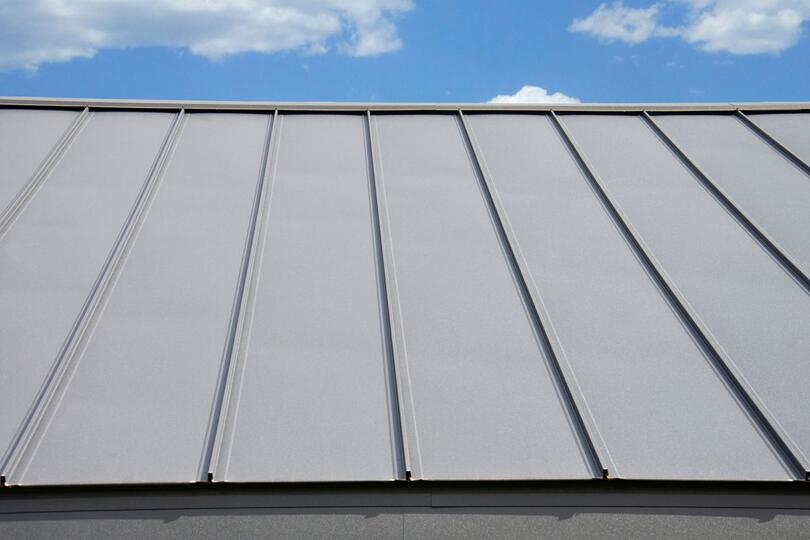
Standing seam offers clean, vertical lines with a modern, streamlined profile that suits contemporary homes, farmhouses, and upscale renovations. Corrugated panels have the familiar wave pattern that gives a rustic, agricultural, or industrial look.
- Standing seam works well on modern and transitional homes
- Corrugated suits barns, workshops, cabins, and rustic designs
- Both come in a wide range of colors and finishes
- Panel profile can change how large or small a roof appears from the street

3. Leak Resistance And Durability
Because standing seam hides its fasteners and allows panels to expand and contract, it generally holds up better against leaks and temperature swings. Corrugated roofs perform well when installed correctly, but the many exposed screw points create more places for problems to develop with age.
- Standing seam panels can move with temperature changes
- Corrugated systems need occasional inspection of screws and sealants
- Proper installation matters for both styles
- Flashing details at chimneys and valleys affect leak resistance on either system
4. Upfront Cost
Corrugated metal is typically the more budget friendly option, thanks to simpler panels and faster installation. Standing seam costs more because of heavier material, more precise fabrication, and specialized labor.
- Corrugated often suits tighter budgets and larger structures
- Standing seam trades higher upfront cost for lower long-term maintenance
- Quotes vary by roof size, complexity, and metal type
- Consider lifetime cost, not just the number on the first estimate
5. Installation Complexity And Roof Pitch
Standing seam installation requires specialized tools and experience, since the clips and seams must be aligned precisely. Corrugated panels are simpler to install, although correct screw placement and sealing are still critical. Pitch requirements also differ, so your roof slope can influence which system is appropriate. Low slope roofs, in particular, often benefit from the tighter seam construction of standing seam, while corrugated panels generally need a steeper pitch to shed water reliably.
- Standing seam installers need specialized seaming tools and training
- Corrugated installation is faster, but screw spacing and sealing must be precise
- A site visit helps confirm whether your roof pitch suits each style
6. Expected Lifespan And Warranty
Standing seam roofs are commonly expected to last several decades longer than corrugated systems, particularly because the hidden fasteners are protected from the elements. Corrugated roofs can still deliver many years of reliable service, though the exposed hardware often needs attention along the way. Warranty terms vary by manufacturer, so it is worth comparing coverage before choosing.
- Standing seam is often chosen as a forever roof
- Corrugated can be a durable, cost effective solution
- Always review what the warranty covers for finish and workmanship
How To Decide Which Metal Roof Fits Your Home
The best choice depends on your priorities, your home’s design, and how long you plan to stay. Homeowners in Winfield and surrounding areas often find that walking through a few scenarios makes the decision much clearer.
If Long-Term Performance Is The Priority
Homeowners planning to stay put for many years often lean toward standing seam, since its concealed fasteners and expansion friendly design reduce maintenance and the chance of leaks. The higher upfront cost is spread across a longer service life.
If Budget Is The Priority
Corrugated metal gives you the benefits of a metal roof at a lower initial price. It is a practical fit for garages, outbuildings, additions, and homes where cost control is the top concern. Setting aside a small budget for periodic screw and sealant checks keeps the roof performing well for years.
If Appearance Drives The Decision
Standing seam delivers a refined, modern look, while corrugated brings a rustic or industrial charm. Choosing the style that matches your home’s architecture helps the finished roof feel intentional rather than out of place. It is also worth thinking about the neighborhood, since a roof that complements nearby homes tends to support resale value.
- Modern Homes: Standing seam complements clean lines and minimalist design
- Farmhouse Or Rustic Homes: Either style can work, depending on the look you want
- Outbuildings And Barns: Corrugated is a traditional and practical choice
Standing Seam vs Corrugated Metal Roof: Side By Side Comparison

Seeing the details lined up makes it easier to weigh the tradeoffs. Homeowners in Winfield and surrounding areas often use a comparison like this when reviewing estimates.
| Feature | Standing Seam | Corrugated |
| Fasteners | Concealed | Exposed screws with washers |
| Appearance | Sleek, modern, vertical lines | Wavy, rustic, industrial |
| Leak Resistance | Excellent when installed correctly | Good, with more potential leak points |
| Upfront Cost | Higher | Lower |
| Maintenance | Minimal | Periodic screw and sealant checks |
| Typical Lifespan | Longest of the two | Shorter, depending on upkeep |
| Best For | Primary residences and long-term investments | Budget projects, outbuildings, rustic designs |
Questions To Ask Your Contractor
- Which panel gauge and metal do you recommend for my roof?
- How will the system handle snow, wind, and expansion?
- What does the warranty cover, and for how long?
- How do you handle flashing at chimneys, valleys, and penetrations?
- What maintenance should I plan for in the coming years?
Choose A Metal Roof That Fits Your Home And Your Budget
Standing seam and corrugated roofs both offer the strength and long service life that make metal such a popular choice. The right pick comes down to how you balance upfront cost, long term maintenance, appearance, and the demands of your local weather. Taking time to compare both styles now can prevent regret later, especially since a roof is not a project most homeowners want to revisit.
Armour Construction has helped homeowners across Winfield and surrounding areas compare metal roofing options and install systems built to last. Our team walks through panel styles, finishes, and warranties so you know exactly what you are getting before work begins. If you are weighing standing seam against corrugated panels and want straightforward guidance, contact us today and let the Armour Construction team help you choose the roof that fits your home.