8 Signs of Roof Leak in Attic You Can’t Ignore (For Homeowners)
Spotting the early signs of roof leak in attic spaces can prevent major home repairs and protect your property from costly damage. Leaks often start small but spread quickly, affecting insulation, wood structures, and even interior ceilings. Many homeowners only notice a problem once visible stains appear — but by that point, significant moisture damage may already be present. Knowing what to look for and how to respond can save you thousands in future repairs.
Here’s what this guide covers:
- Common warning signs of attic leaks
- Hidden causes behind roof moisture issues
- Prevention tips for long-term roof protection
- How roofing professionals detect and fix leaks
Why Roof Leaks Often Start in the Attic

Your attic is the first place where roof leaks show signs of trouble. It’s directly beneath the roof deck and often lacks ventilation, making it vulnerable to condensation and water intrusion. Moisture that enters here can rot wooden framing, weaken insulation, and lead to mold growth that spreads throughout the home.
In Fort Wayne, IN, fluctuating temperatures, snow accumulation, and heavy rainfall make regular attic inspections essential. Catching leaks early protects both your home’s structure and energy efficiency.
- Early detection: Finding small leaks prevents extensive structural damage.
- Improved insulation: Dry insulation retains its R-value and energy performance.
- Longer roof lifespan: Repairs made early reduce the need for premature replacement.
- Health protection: Prevents mold and mildew that impact indoor air quality.
8 Warning Signs of a Roof Leak in the Attic
A leak can be subtle at first, but these eight signs help you identify moisture problems before they escalate into serious damage.
1. Water Stains on Rafters or Plywood
Dark spots or rings on the underside of your roof decking are one of the first visible indicators of a leak. They often form around nails, vents, or flashing where water enters.
- Action: Trace stains upward to locate the leak’s origin.
- Tip: Use a moisture meter to confirm if the wood is still damp.
2. Wet or Compacted Insulation
Insulation that appears darker, soggy, or matted down is a sure sign of water infiltration. When insulation becomes saturated, it loses effectiveness and traps moisture against the roof deck.
- Prevention: Regular attic inspections can catch this before mold develops.
- Repair: Remove wet insulation and replace it after fixing the roof leak.
3. Visible Mold or Mildew Growth
Mold thrives in damp, dark spaces, making the attic a perfect environment when moisture is present. This can lead to unpleasant odors and serious health concerns.
- Inspection: Look along beams, corners, and near vents for black or green patches.
- Solution: Address the roof leak and use a mold remediation product designed for wood.
4. Musty or Damp Odors
If your attic smells earthy or musty, there’s a good chance water is accumulating somewhere. Even if no stains are visible, lingering odors indicate humidity buildup.
- Check ventilation: Ensure attic vents and soffits aren’t blocked by insulation.
- Humidity control: Consider adding a dehumidifier or improving airflow.
5. Sunlight Coming Through the Roof Boards
Seeing daylight in your attic might seem minor, but any gap large enough for light to pass through can also allow water to enter during rain or snowmelt.
- Seal gaps: Use roofing cement or flashing patches for small holes.
- Inspection tip: Perform this check during midday when sunlight is strongest.
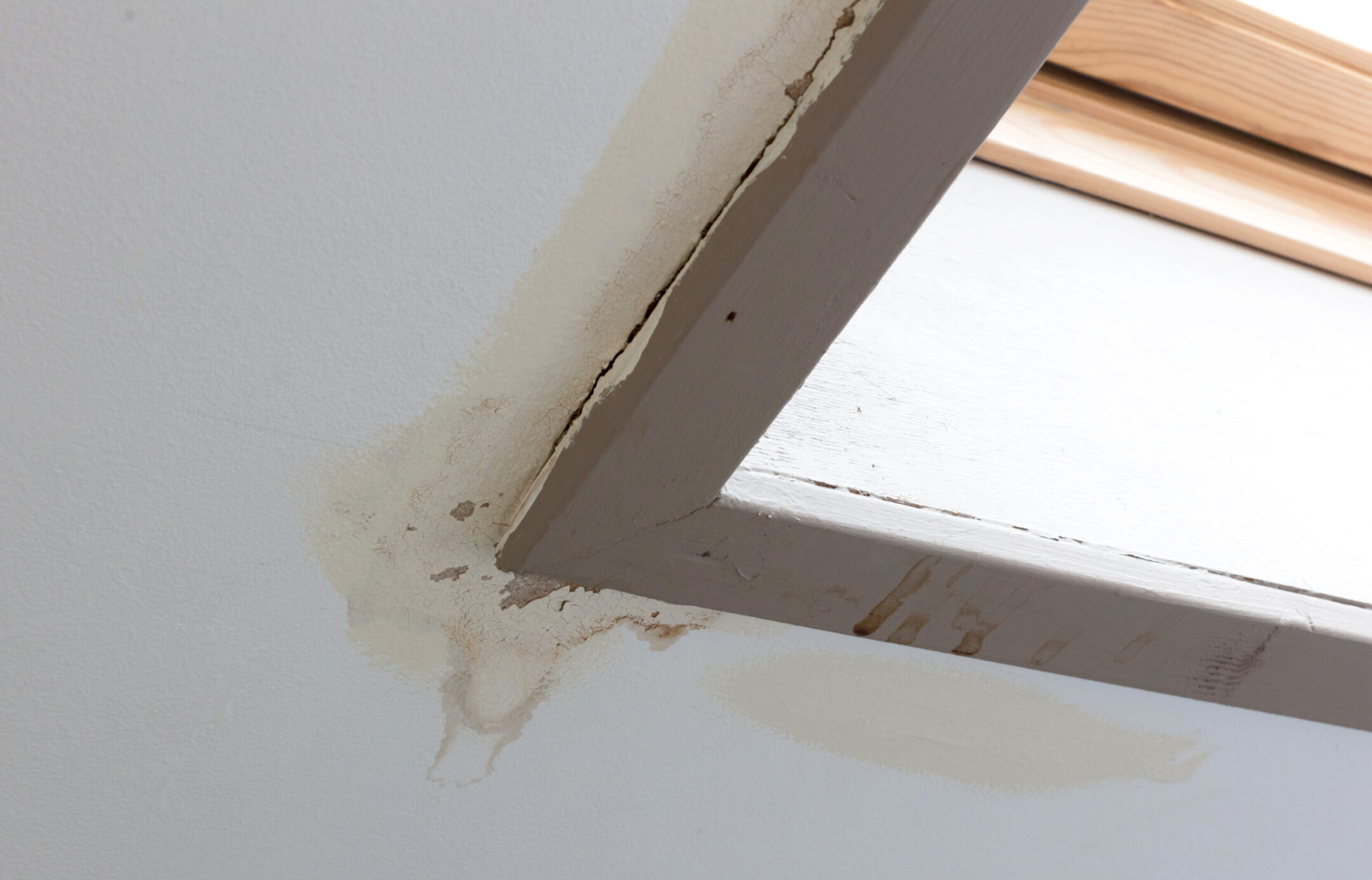
6. Peeling Paint or Discoloration on Ceiling Below
Moisture from an attic leak can seep through drywall or plaster, leading to bubbling paint and water rings on ceilings below.
- Immediate fix: Cut away damaged sections and let the area dry completely before repainting.
- Long-term solution: Have a roofing contractor inspect for damaged flashing or cracked shingles.
7. Dripping Sounds During Rainstorms
Hearing dripping or trickling sounds from above is a clear indication that water is getting in. Even if you can’t see the source, sound can help pinpoint the problem area.
- Safety note: Never enter the attic during active rainfall; wait until conditions are dry.
- Repair: Once located, mark the area and contact a roofing professional for inspection.
8. Frost Buildup During Winter
In cold climates, poor ventilation allows warm indoor air to rise and condense under the roof deck. When temperatures drop, that moisture freezes into frost — a hidden warning of leaks or ventilation issues.
- Identification: Look for frost on nails or rafters during cold mornings.
- Solution: Improve attic ventilation and insulation to reduce condensation.

What Causes Roof Leaks in the Attic?
Several roofing issues can lead to water intrusion. Understanding these causes can help you take preventive action.
- Damaged shingles: Cracked or missing shingles allow water to penetrate.
- Poor flashing installation: Weak seals around chimneys, vents, or skylights lead to leaks.
- Clogged gutters: Water can back up and seep beneath shingles.
- Roof age: Materials like asphalt lose granules and flexibility over time.
- Condensation buildup: Inadequate ventilation leads to moisture accumulation inside the attic.
How Professionals Diagnose and Repair Attic Leaks
Roofing experts use specialized techniques and tools to pinpoint leak sources accurately.
- Thermal imaging: Detects hidden moisture and heat loss behind roof decking.
- Water testing: Simulates rainfall to locate the exact leak point.
- Infrared scanning: Identifies damp areas invisible to the naked eye.
- Professional repair: A certified roofer ensures proper sealing, replacement of damaged materials, and restoration of attic insulation.
Preventing Future Attic Leaks
Routine maintenance and inspections are your best defense against roof leaks. Schedule a professional roof inspection at least once a year and after major storms.
- Gutter care: Keep gutters and downspouts free of debris.
- Attic airflow: Ensure soffits, ridge vents, and baffles remain clear.
- Timely repairs: Address cracked shingles, flashing gaps, or membrane tears promptly.
- Material upgrades: Consider installing high-quality underlayment and weatherproof membranes for added protection.
Protect Your Home With Armour Construction

Your attic can reveal early warning signs that your roof needs attention. Addressing them quickly ensures long-term safety, comfort, and energy efficiency. Armour Construction provides professional leak detection, roof repair, and replacement services in Fort Wayne, IN, and surrounding areas. We’re proud to serve home and business owners in Fort Wayne, IN, and nearby communities with roof inspection, leak repair, and waterproofing services built to last.
If you’ve noticed moisture, discoloration, or damage in your attic, contact Armour Construction today to schedule a detailed roof inspection and get expert solutions to protect your home.