Seamless Siding Explained (Is It Really a Good Choice for You?)
If you are considering seamless siding for your house, you are likely looking for a durable, low-maintenance solution that improves both protection and curb appeal. Seamless siding has become increasingly popular among homeowners who want a clean look with fewer weak points compared to traditional panel systems. Understanding how it works and whether it fits your needs can help you make a confident investment in your property.
In this guide, you will learn:
- What seamless siding is: How it differs from traditional siding
- Key benefits: Why homeowners are choosing it
- Potential drawbacks: What to consider before installing
- Material options: What seamless siding is made from
- Cost factors: What impacts pricing and value
Let’s take a closer look at how seamless siding works and whether it is the right fit for your home.
What Is Seamless Siding?

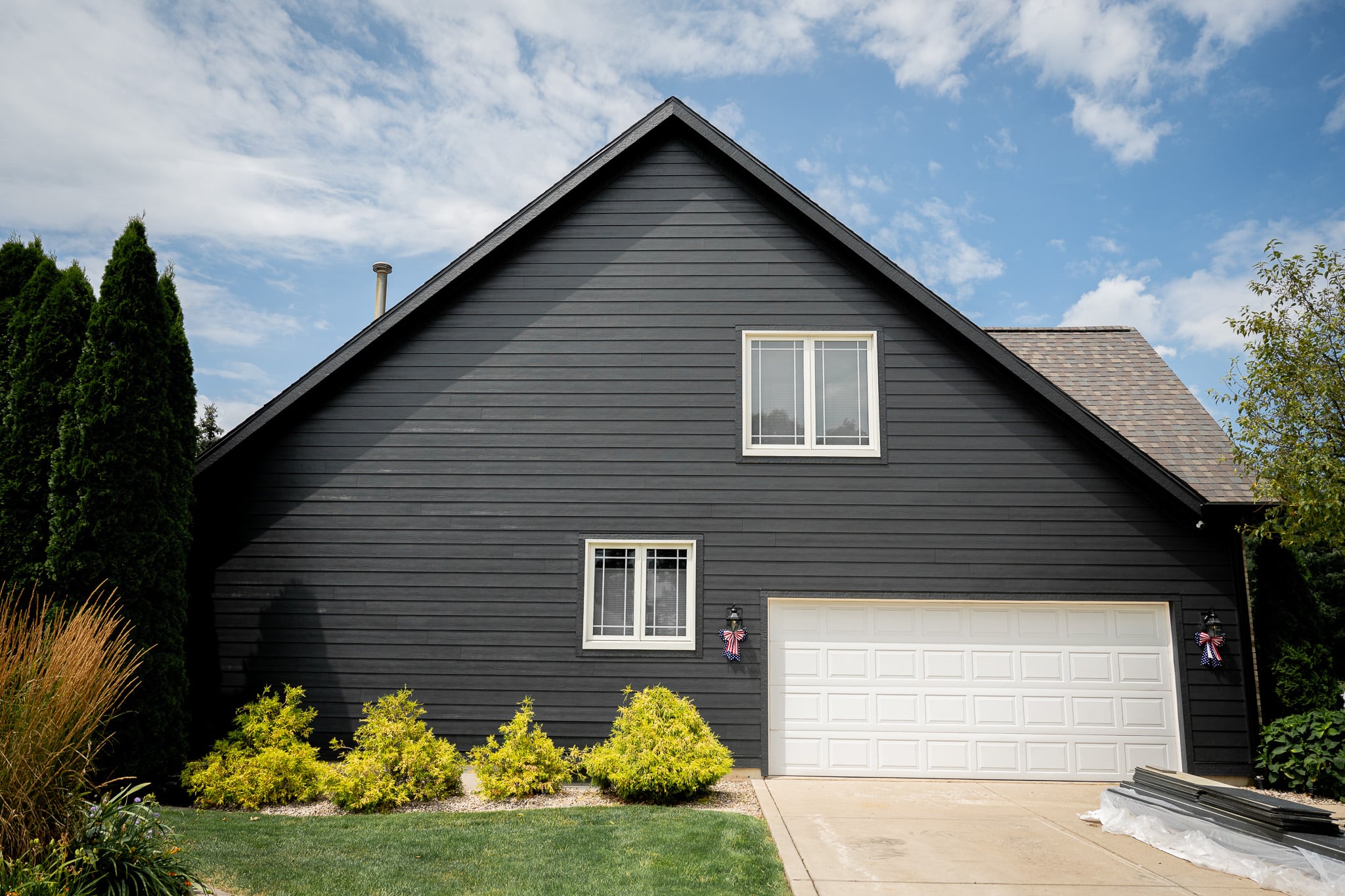
Seamless siding is a type of exterior cladding that is custom-cut to fit the exact dimensions of your house. Unlike traditional siding panels, including vinyl siding, seamless siding is manufactured on-site using specialized equipment. This process creates long, continuous pieces with minimal joints, reducing the risk of water infiltration and visible seams.
Because it is designed as a custom fit, seamless siding provides a more uniform and beautiful appearance while improving overall durability. It also reduces gaps where moisture, pests, or debris might otherwise enter. Many homeowners prefer this option for its clean finish and superior protection against the elements.
How Seamless Siding Is Installed
The installation process for seamless siding is different from standard siding products. It requires specialized equipment and experienced siding contractors to ensure proper fit and performance. Proper installation directly impacts durability, safety, and long-term results.
On-Site Fabrication
Seamless siding is formed using a portable machine that creates panels directly at your home. This allows each piece to be cut to an exact custom fit, eliminating unnecessary seams and improving overall performance.
Surface Preparation
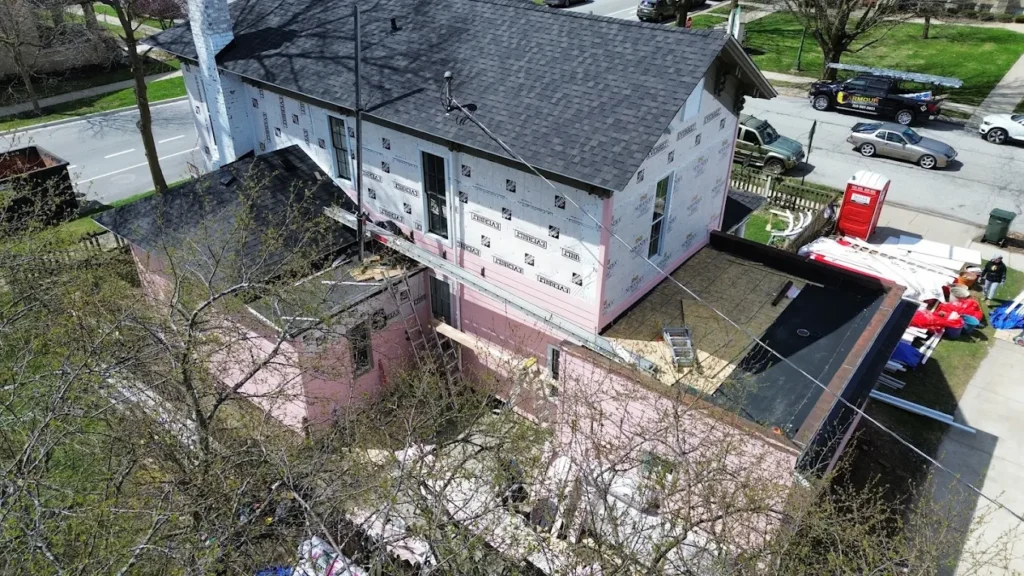
Before installation begins, the existing siding is inspected and removed if needed. The wall sheathing is checked for damage, and a weather-resistant barrier is installed to protect the structure from moisture.
Precision Installation
Each panel is carefully positioned and secured to the structure. Professional siding contractors ensure proper alignment and fastening to prevent shifting, which improves both durability and safety over time.
Finishing Details
Trim, corners, and sealants are added to complete the siding job. These details strengthen the seal and help maintain superior protection against weather and moisture.
5 Key Benefits of Seamless Siding
Seamless siding offers several advantages that make it an attractive option for homeowners looking to upgrade their exterior.
- Reduced maintenance: Fewer seams mean less dirt buildup and fewer areas for water or mold to develop
- Improved durability: Continuous panels are stronger and less likely to crack or separate over time
- Enhanced appearance: A smooth, uniform finish creates a more beautiful look for your home’s exterior
- Better moisture protection: Fewer joints reduce the risk of water infiltration and hidden damage
- Long-term value: Strong performance and reduced repairs can help lower maintenance needs and energy costs
Materials Used for Seamless Siding
Seamless siding is most commonly made from metal materials, though there is a variety of options available depending on your needs and budget.
Aluminum Siding
Aluminum remains a popular option due to its lightweight structure and resistance to rust. It performs well in changing weather conditions and offers reliable durability for most homes.
Seamless Steel Siding
Seamless steel siding provides added strength and impact resistance. It is a great choice for homeowners looking for maximum durability and long-term performance in areas with harsh weather.
Coating and Finish
Most seamless siding products include a factory-applied coating that resists fading, chipping, and peeling. This helps maintain the appearance of your house and reduces the need for frequent painting.
Potential Drawbacks to Consider
While seamless siding offers many advantages, there are a few factors to consider before making your decision.
- Higher upfront cost: Custom fabrication and installation can be more expensive than standard siding
- Professional installation required: Specialized tools and experienced siding contractors are necessary
- Limited material variety: Fewer options compared to vinyl siding or fiber cement
- Repairs can be more complex: Replacing a damaged section may require custom fabrication
Balancing these considerations with the long-term benefits will help you choose the right siding solution for your property.
Cost Factors for Seamless Siding
The total cost of seamless siding depends on several variables that impact both materials and labor.
- Home size: Larger homes require more siding products and installation time
- Material type: Aluminum is generally more affordable than seamless steel siding
- Labor complexity: Multi-level homes or detailed designs increase installation time
- Preparation work: Removing existing siding or repairing damage adds cost
- Finishing details: Trim, insulation, and coatings affect the final price
While the upfront cost may be higher, many homeowners benefit from reduced maintenance and improved energy efficiency over time.

How Seamless Siding Compares to Traditional Siding
Choosing between seamless siding and traditional siding options depends on your priorities and long-term goals.
- Appearance: Seamless siding offers a cleaner and more beautiful look with fewer visible seams
- Maintenance: Traditional systems like vinyl siding may require more upkeep
- Installation: Standard siding is easier to install but lacks the precision of a custom fit
- Durability: Seamless systems provide stronger protection against weather and wear
Seamless siding stands out for homeowners who prioritize durability, performance, and curb appeal.
Local Weather Considerations
Homes in Northwest Indiana experience heavy rain, humidity, and freezing winters. These conditions can wear down siding materials over time. Seamless siding helps protect your home by reducing gaps and improving resistance to moisture and temperature changes.
We’re proud to serve home and business owners in Gary, IN, and nearby communities with siding solutions designed for long-term durability and protection.
Built for Protection with Armour Construction
Choosing the right siding is an important decision for your home’s exterior. Seamless siding offers superior protection, improved durability, and a clean, modern look that keeps your property looking beautiful for years.
As a locally owned roofing contractor, Armour Construction works alongside skilled siding contractors to deliver high-quality results on every siding job. Our team uses trusted siding products and proven techniques to ensure long-lasting performance, safety, and craftsmanship.
Contact Armour Construction today to schedule your free inspection and find out if seamless siding is the right upgrade for your home.