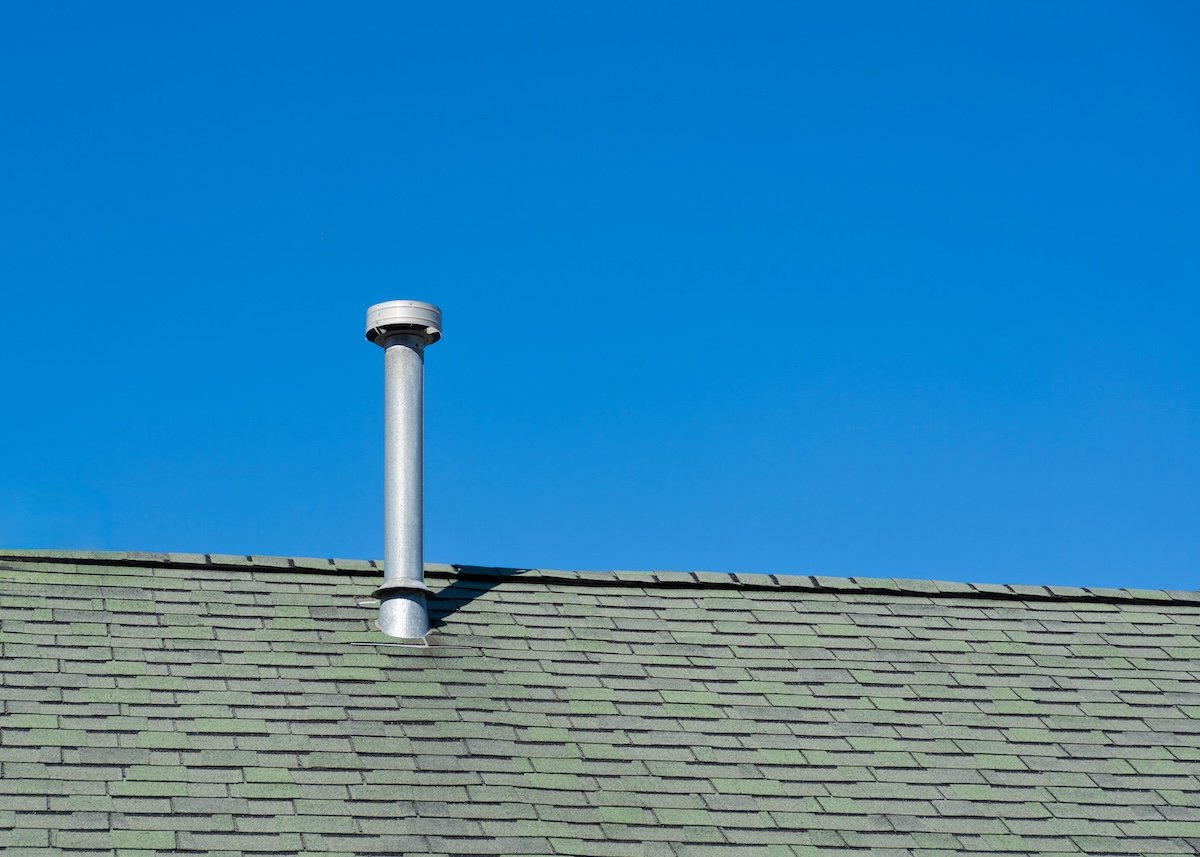
9 Roof Ventilation Tricks for a Cooler Attic (Homeowners Guide)
When it comes to keeping your home comfortable and energy-efficient, few upgrades are as important as roof ventilation. Proper attic airflow prevents heat buildup that drives up cooling costs, damages roofing materials, and shortens roof lifespan. With the right ventilation strategies, homeowners can dramatically improve indoor comfort, reduce utility bills, and protect their home’s structure for the long term.
Here’s what this blog covers:
• Why ventilation matters: How airflow impacts your home’s temperature and roof performance.
• Practical tips: Proven techniques for maintaining a cooler, healthier attic.
• Maintenance guidance: Simple routines to keep vents clear and functional.
• Warning signs: Indicators your attic may not be ventilating properly.
Why Roof Ventilation Matters for Every Home
Ventilation isn’t just a construction detail — it’s essential for protecting your roofing system and improving overall efficiency. When hot, humid air gets trapped in your attic, it can cause warped shingles, mold growth, and even insulation damage. In Crown Point, IN, where summers can get hot and humid, proper ventilation helps homeowners maintain comfortable indoor temperatures without overworking their air conditioning systems.

• Temperature regulation: Promotes steady attic airflow to prevent heat buildup.
• Energy efficiency: Reduces the workload on HVAC systems for better home energy savings.
• Roof longevity: Minimizes thermal stress and moisture accumulation that weaken materials.
• Mold prevention: Allows air to circulate freely, preventing trapped moisture from turning into mold or mildew.
• Ice dam reduction: In cold months, ventilation helps prevent ice dams from forming along roof edges.
9 Roof Ventilation Tricks for a Cooler, More Efficient Attic
Creating consistent attic airflow requires balance — intake vents pull in fresh air, while exhaust vents release trapped heat. Below are nine practical ventilation strategies that work together to keep your attic cool and your home efficient.
1. Install Continuous Ridge Vents
Ridge vents run along the highest peak of your roof, allowing hot air to escape evenly across the top of your attic. This steady exhaust flow is key for balanced ventilation.
• Benefit: Provides continuous airflow and an even roofline appearance.
• Pro tip: Best installed during a new roof replacement or major repair project.
2. Use Soffit Vents to Draw in Fresh Air
Soffit vents are installed under roof eaves and pull cooler outdoor air into your attic. When paired with ridge vents, they create an effective push-pull system for optimal circulation.
• Importance: Enables proper intake ventilation, which is essential for airflow balance.
• Installation note: Ensure soffit vents aren’t blocked by insulation or debris.
3. Add Gable Vents for Cross Ventilation

Gable vents are installed at the ends of your attic and help fresh air move horizontally through the space. They’re especially useful in older homes or roofs without ridge vents.
• Advantage: Promotes air movement across wide attic areas.
• Limitation: Works best when combined with intake vents for balanced ventilation.
4. Incorporate Powered Attic Fans
Powered attic fans actively push hot air out, quickly lowering attic temperature during peak summer months. These are ideal for homes where passive ventilation isn’t enough.
• Benefit: Rapidly removes trapped heat and moisture.
• Consideration: May slightly increase energy use, but reduces cooling demand overall.
5. Try Solar-Powered Ventilation Fans
Solar attic fans offer a sustainable, energy-efficient option to cool your attic space. By using sunlight to power their operation, they provide consistent ventilation without raising electric bills.
• Green advantage: Operates entirely on solar energy for sustainable performance.
• Maintenance: Requires minimal upkeep and works well with other venting systems.
6. Combine Proper Insulation With Ventilation
Ventilation and insulation should complement each other. Insulation helps retain indoor air while ventilation ensures excess heat and humidity escape efficiently.
• Function: Keeps cool air inside your living areas while maintaining proper attic airflow.
• Tip: Ensure insulation doesn’t block soffit vents or restrict airflow channels.
7. Use Vent Chutes for Unobstructed Airflow
Vent chutes, also known as baffles, help maintain clear airflow paths between insulation and the roof deck. This ensures that intake vents work properly and don’t get covered accidentally.
• Purpose: Keeps fresh air flowing through insulation layers.
• Best practice: Install between every rafter space for even ventilation.
8. Check Roof Design for Balanced Vent Placement
An effective ventilation system relies on balance between intake and exhaust. Too much exhaust without adequate intake can create negative pressure, pulling conditioned air from living spaces.
• Design note: Maintain equal square footage of intake and exhaust venting for ideal results.
• Pro insight: A qualified roofing contractor can assess and redesign vent layouts if airflow seems uneven.
9. Schedule Routine Roof Vent Maintenance
Even the best ventilation setup needs consistent upkeep. Dust, leaves, and nests can obstruct vents and limit efficiency. Regular inspections ensure your ventilation system continues working properly.
• Checklist: Inspect vents annually for obstructions, clean intake grills, and check for damage.
• Warning signs: Look for damp insulation, attic odors, or unusual humidity as clues of poor ventilation.
Common Signs Your Attic Needs Better Ventilation
Recognizing ventilation issues early prevents costly roof damage and discomfort inside your home. Keep an eye out for these common indicators.
• Excessive attic heat: If your attic feels like an oven in summer, airflow is insufficient.
• Visible condensation: Damp spots, mold, or water stains on insulation signal trapped moisture.
• Warped shingles: Heat buildup causes premature cracking or curling.
• Ice dams: Winter ice forming along roof edges means warm air isn’t escaping properly.
• High utility bills: Rising cooling costs often trace back to poor attic ventilation.
Frequently Asked Questions About Roof Ventilation

How much ventilation does my attic need?
You need about 1 square foot of ventilation for every 150 square feet of attic space, split evenly between intake and exhaust vents.
Can I install ventilation myself?
Some tasks like cleaning soffit vents are DIY-friendly, but ridge vents and powered fans should be installed by a licensed roofing contractor.
Will ventilation lower my energy bills?
Yes. Proper airflow reduces attic temperatures, helping your cooling system work less and lowering your monthly energy costs.
Does roof ventilation prevent ice dams?
Absolutely. It keeps roof decking cooler and prevents snowmelt from refreezing at the edges.
How often should I check my vents?
Inspect your attic ventilation at least once a year—spring and fall are ideal times for roofing maintenance.
Improve Comfort and Efficiency With Armour
A well-ventilated attic makes your home more energy-efficient, protects your roofing materials, and extends your roof’s lifespan. By applying these roof ventilation tricks, you can keep your home cooler in summer, prevent damage in winter, and improve your overall comfort. Armour Construction helps homeowners in Crown Point, IN, design efficient, code-compliant roofing systems that perform year-round.
Our roofing experts assess airflow, insulation, and vent placement to deliver solutions that enhance comfort and protect your investment. Ready to improve your attic airflow? Contact Armour today for a free inspection and personalized roof ventilation plan that keeps your home cooler and your roofing system in top shape.