Roof Sheathing Thickness Guide (Standards, Materials, & More)
Understanding roof sheathing thickness is one of the most important parts of ensuring your roofing system lasts for decades. Whether you are planning a new installation or replacing an existing roof, knowing the right thickness helps guarantee long-term performance, energy efficiency, and structural safety.
In this guide, we will cover:
- Standard thicknesses: What is required for residential and commercial roofs
- Best materials: Plywood, OSB, and more
- Building codes: How to meet Indiana standards safely
- Installation insights: Why professional work makes a difference
- Maintenance tips: How to prevent warping, leaks, and structural issues
Why Roof Sheathing Thickness Matters
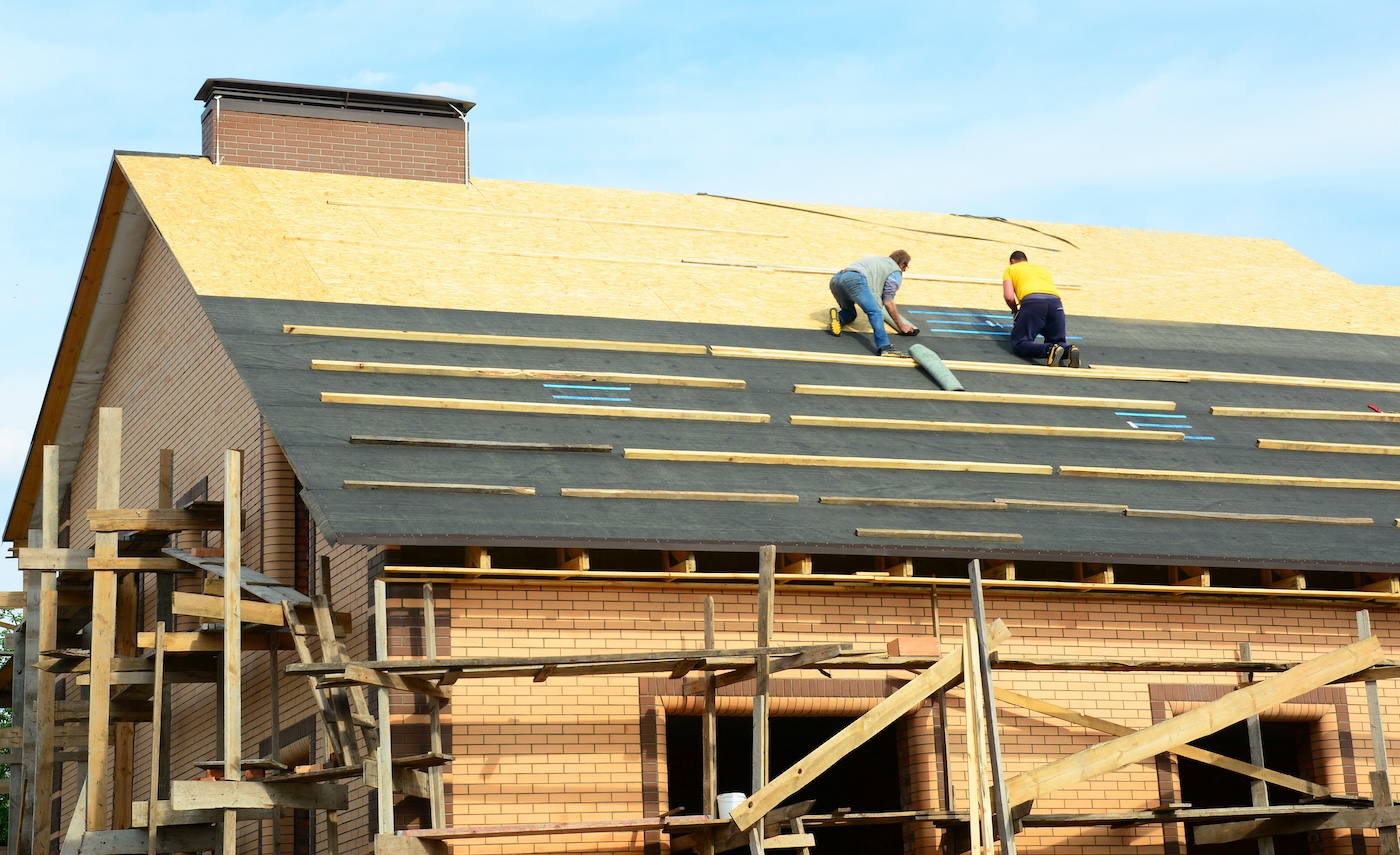
Roof sheathing connects the rafters and trusses to the outer roofing materials, giving your system strength, stability, and structure. When the thickness is correct, your roof resists sagging, withstands snow loads, and holds fasteners securely for years.

Homeowners in Northwest Indiana know how unpredictable the weather can be, from heavy snow in winter to high winds in summer. That is why the correct sheathing thickness is essential for long-term performance.
- Load-bearing strength: Supports roofing materials and snow accumulation
- Even surface: Creates a smooth foundation for underlayment and shingles
- Weather protection: Blocks moisture intrusion and reduces mold risk
- Long-term stability: Prevents cracking, bowing, or fastener failure over time
Common Roof Sheathing Materials
Each sheathing type has unique benefits depending on a home’s structure, budget, and local weather patterns. Professional roofers rely on trusted materials that meet Indiana’s performance standards for strength, durability, and moisture resistance.
Plywood
Plywood is known for its strong, layered design that resists warping. It holds nails securely and performs well in both hot and cold weather, making it a dependable choice for long-term roof performance.
Oriented Strand Board (OSB)
OSB provides a sturdy, budget-friendly option that delivers consistent strength when installed correctly. When kept dry and properly ventilated, it performs nearly as well as plywood in most residential applications.
Zip System Sheathing
This integrated panel combines structural sheathing and a water-resistant barrier in one system. It helps minimize air leaks, speeds up installation, and provides excellent energy efficiency for modern homes.
CDX Plywood
Made with water-resistant glue and tightly bonded wood layers, CDX plywood stands up well to rain, humidity, and frequent freeze-thaw cycles. It is a great fit for Indiana homeowners seeking lasting durability and protection.
5 Standard Roof Sheathing Thickness Options
Not every roof requires the same thickness. It depends on truss spacing, roofing material, and regional building codes. Here are the most common options Armour Construction installs:
- 3/8 inch: Used for small structures or low-slope roofs with limited load requirements
- 7/16 inch: The modern standard for most residential roofing systems
- 1/2 inch: Provides excellent balance between strength and weight for asphalt or composite shingles
- 5/8 inch: Common on homes with wider truss spacing or areas prone to heavy snow accumulation
- 3/4 inch: Typically reserved for custom or commercial builds requiring maximum rigidity
How Roof Sheathing Impacts Roof Performance
Roof sheathing may sit out of sight, but it directly affects comfort, safety, and energy efficiency.

- Thermal control: Helps maintain indoor temperatures and lowers utility costs
- Fastener retention: Prevents nail loosening and shingle uplift during strong winds
- Moisture defense: Stops leaks before they reach insulation or attic framing
- Sound reduction: Minimizes outside noise and vibration inside the home
When paired with high-quality underlayment and ventilation, properly sized sheathing contributes to a long-lasting, worry-free roofing system.
Building Code Standards in Indiana
Indiana’s residential building codes require sheathing thickness to meet the spacing and structural loads of the roof framing. For most homes with rafters spaced 24 inches apart:
- Minimum for OSB: 7/16 inch
- Minimum for plywood: 1/2 inch
- Heavier materials (metal, tile): Often require 5/8 inch or thicker
Every Armour Construction project is inspected to ensure it meets or exceeds state and local building requirements, keeping your warranty and home value protected.
Signs Your Roof Sheathing May Need Replacement
If your roof is older or has experienced leaks, your sheathing might already be compromised. Look for these warning signs:
- Sagging roof lines: Indicates weakened or delaminated panels
- Soft or spongy decking: Often caused by moisture damage
- Water stains in the attic: Suggests leaks penetrating the sheathing layer
- Uneven shingles: Can result from warped or deteriorated decking underneath
How Roofers Ensure Proper Sheathing Installation
A high-quality roof depends on precise sheathing installation. The process requires experience, careful material selection, and consistent attention to detail from start to finish.
- Material selection: The right sheathing type and thickness must match the home’s structural design and local load requirements.
- Precision installation: Crews use calibrated fasteners and maintain consistent spacing to ensure the panels stay secure and even.
Moisture control: Proper sealing, ventilation, and barrier layers help prevent warping, mold, and rot over time. - Thorough inspection: Every deck should be checked for alignment, fastening strength, and surface integrity before roofing materials are added.
Following these best practices helps extend the lifespan of the entire roofing system and protects the home against future damage.
Local Conditions: What Crown Point Homeowners Should Know
Crown Point homeowners face unique challenges, including icy winters, humid summers, and year-round precipitation. These conditions demand high-quality sheathing that resists expansion and contraction.
Plywood and CDX materials perform exceptionally well in this region, offering strong moisture resistance and stability under temperature swings. Frequent thunderstorms also make proper attic ventilation critical, as trapped moisture can deteriorate the sheathing from below.

We are proud to serve home and business owners in Crown Point, IN, and nearby cities with professional roof installation, repair, and replacement services that include expert attention to roof sheathing, ventilation, and insulation.
Strength and Trust with Armour Construction
Your roof is only as strong as the structure beneath it, and the right roof sheathing thickness is key to lasting performance. Armour Construction’s high-ownership approach means every detail from materials to fasteners is handled with care, precision, and integrity. From Valparaiso to Crown Point and across Northwest Indiana, homeowners trust us for reliable craftsmanship and long-term peace of mind.
Ready to strengthen your roof from the inside out? Contact Armour Construction today to schedule your free roof inspection and discover why Indiana homeowners choose us for quality, honesty, and excellence on every project.