7 Reflective Roof Coating Tips to Beat the Heat (Homeowners Guide)
As summer temperatures rise, homeowners are turning to reflective roof coatings as a smart, affordable way to keep their homes cooler and reduce energy costs. A properly applied reflective coating can help prevent heat buildup, extend roof lifespan, and improve indoor comfort — all while lowering your utility bills. Whether you’re maintaining an existing roof or exploring energy-efficient upgrades, cool roof coatings can make a major difference in both comfort and cost.
Here’s what this blog covers:
• Key benefits: How reflective roof coatings reduce heat and energy bills.
• Application tips: How to prepare and apply coatings correctly.
• Material insights: The best types of reflective coatings for each roof style.
• Long-term care: How to maintain and extend your coating’s performance.
Why Reflective Roof Coatings Matter for Homeowners
A reflective roof coating isn’t just an aesthetic upgrade — it’s an energy-saving layer of protection for your home. By deflecting sunlight instead of absorbing it, these coatings reduce heat penetration and help stabilize indoor temperatures. That means less strain on your HVAC system, a lower risk of roof damage, and a more comfortable living space even during extreme summer heat.

• Energy efficiency: Reduces heat transfer to lower cooling costs.
• Extended roof life: Shields against UV damage and thermal shock.
• Comfort: Keeps living spaces cooler and more consistent in temperature.
• Environmental impact: Reduces energy use and greenhouse emissions.
• Cost savings: A simple coating can delay the need for costly roof replacement.
7 Essential Reflective Roof Coating Tips
Applying a reflective coating takes more than just a paint roller — it requires preparation, timing, and the right materials. Follow these professional tips to ensure long-lasting results.
1. Choose the Right Coating for Your Roofing Material
The first step is matching the coating to your roof type. Different roofing materials require specific products for optimal adhesion and protection.

• Metal roofs: Silicone or elastomeric coatings provide flexibility and UV resistance.
• Asphalt shingles: Acrylic-based coatings offer high reflectivity and smooth coverage.
• Flat or low-slope roofs: Thicker coatings with ponding resistance prevent water damage.
2. Clean and Prepare the Roof Surface
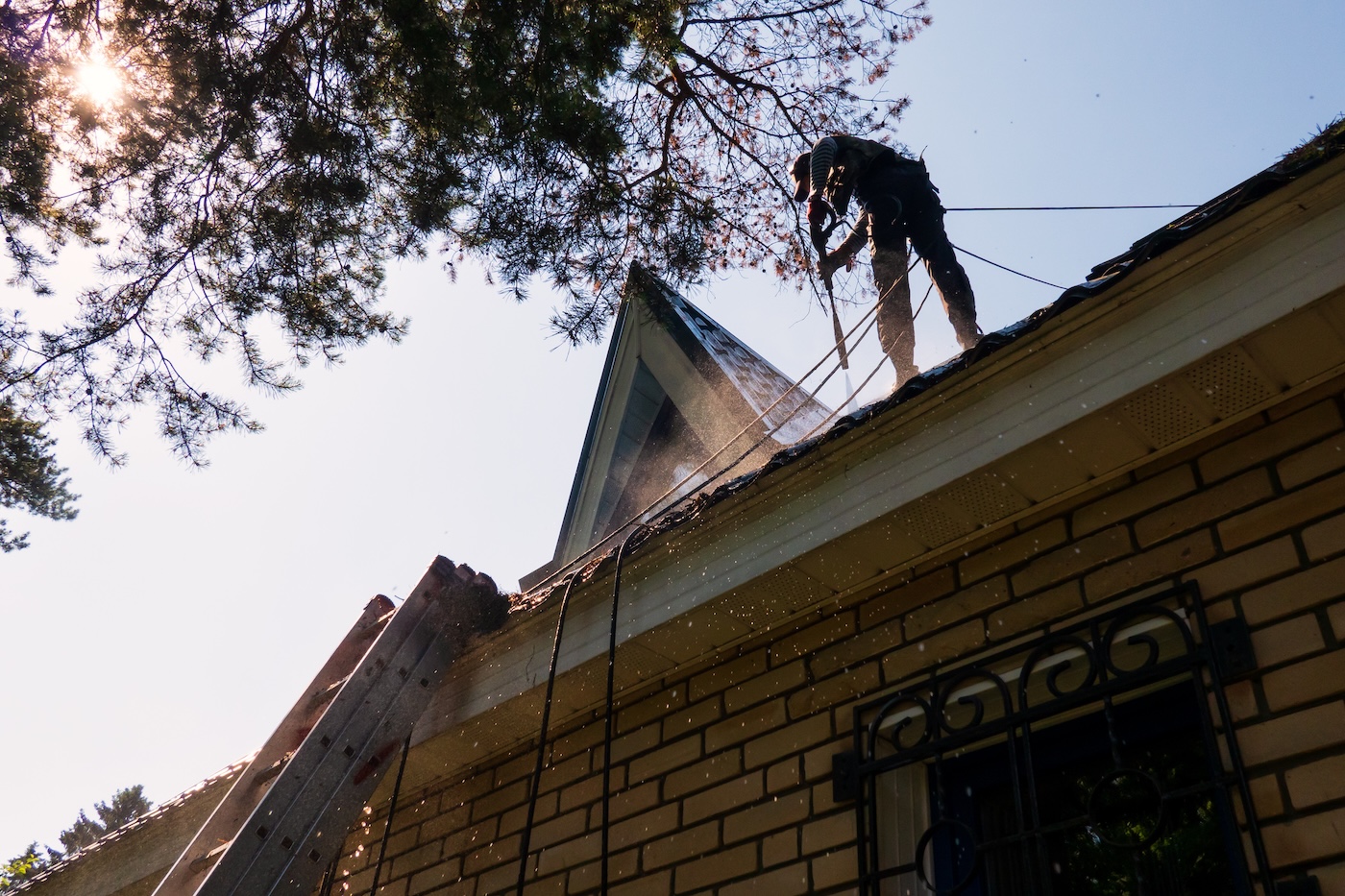
Proper surface preparation is critical for coating adhesion. Dirt, dust, and moss can create weak points that cause peeling or bubbling over time. Before applying any coating, thoroughly wash the roof, remove debris, and make minor repairs. Allow the surface to dry completely to guarantee proper bonding between the coating and roofing material.
3. Apply During the Right Weather Conditions
Temperature and humidity directly affect how your coating cures. For best results, apply coatings during dry, mild weather — ideally between 50°F and 90°F. Avoid applying before rain or in high humidity, as trapped moisture can cause bubbling or uneven curing.
4. Use the Correct Coating Thickness
Applying too thin of a layer won’t reflect enough sunlight, while too thick can lead to cracking. Follow manufacturer recommendations on the number of coats and drying times. Using the correct thickness ensures a durable, heat reflective roof that performs consistently for years.
5. Choose Reflective Colors and High SRI Ratings
Color selection matters more than most homeowners realize. Lighter shades — such as white, silver, or pale gray — have higher Solar Reflectance Index (SRI) values, meaning they reflect more sunlight. Look for coatings certified by Energy Star or Cool Roof Rating Council for proven energy performance.
6. Schedule Routine Roof Inspections and Maintenance
Even durable coatings require occasional care to stay effective. Routine maintenance prevents small issues from developing into larger problems that shorten roof lifespan. Inspect your roof at least once a year, especially after severe weather. Cleaning and re-coating every few years will help maintain reflectivity and water resistance.
7. Evaluate Long-Term Savings and ROI
While reflective coatings come with an upfront cost, they often pay for themselves within a few years through lower cooling expenses and reduced maintenance. Homeowners in Merrillville can also explore local energy rebates and tax incentives for installing Energy Star–certified cool roof coatings, further improving long-term return on investment.
Advanced Considerations for Reflective Roof Coatings

Reflective roof coatings offer more than energy savings — they contribute to a healthier home and community environment.
Energy Certifications and Incentives
Many reflective coatings meet or exceed Energy Star standards. Homeowners may qualify for energy-efficiency rebates or tax credits when using certified materials, so it’s worth discussing options with your roofing contractor.
Indoor Air Quality Benefits
By lowering indoor heat, reflective coatings help reduce reliance on air conditioning, which in turn minimizes dust circulation and improves overall air quality.
Compatibility With Solar Panels
If your home includes solar panels or you’re considering them, reflective coatings complement these systems by keeping roof temperatures lower — helping panels operate more efficiently and last longer.
Environmental Impact
Cool roof coatings reduce the urban heat island effect and limit carbon emissions by lowering total energy demand — a win for both your home and the planet.
Common Questions About Reflective Roof Coatings
Homeowners often have a few key questions before deciding whether reflective coatings are the right fit for their roofing system.
How long do reflective roof coatings last?
Typically 5–15 years, depending on the material and maintenance.
Can I apply reflective coating myself?
DIY applications are possible but often less durable; professional roofing contractors achieve better adhesion and longevity.
Does reflective coating work in colder regions?
Yes, though its greatest benefits are seen in warm climates, reflective coatings can still protect roofs year-round.
Does it waterproof the roof?
Some coatings offer water resistance, but they are not replacements for full waterproof membranes.
Keep Your Home Cool and Efficient With Armour
A reflective roof coating is one of the simplest, most cost-effective ways to improve comfort and lower energy bills. When installed by professionals, these coatings enhance roof performance, extend lifespan, and provide long-term protection from heat and UV damage.
Ready to reduce your cooling costs and beat the summer heat? Contact Armour today to schedule your free roof evaluation and learn how our reflective coating solutions can make your home cooler, greener, and more efficient.