How You Can Remove Moss From Roof Naturally? (7 Steps)
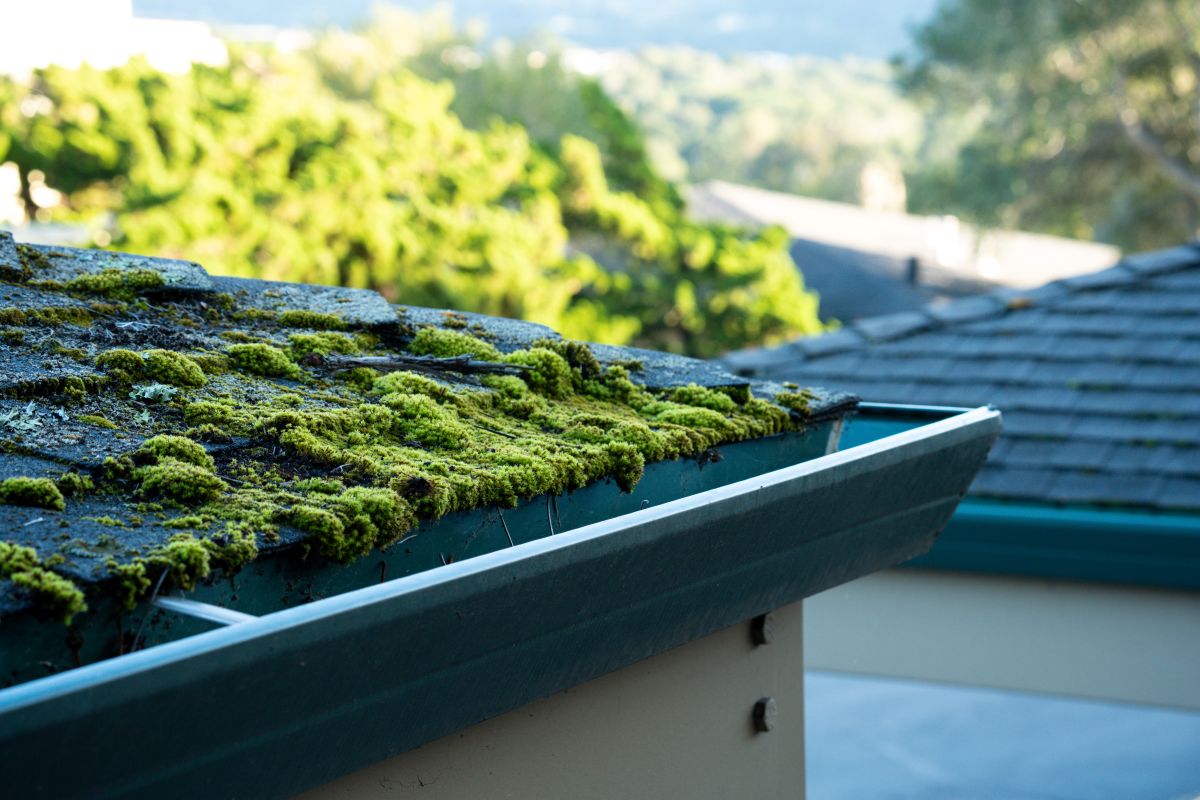
If you are dealing with moss growth, learning how to remove moss from roof naturally can help protect your asphalt shingles without using harsh chemicals. Moss may seem harmless, but it traps moisture against your roof surface, leading to water damage, wood rot, and reduced lifespan.
In this guide, you will learn:
- Why moss grows: Common causes and risk factors
- Safe removal steps: How to clean your roof naturally
- Prevention strategies: How to prevent moss growth long-term
- Tools and solutions: Effective DIY solutions
- When to call a pro: Knowing your limits
Let’s walk through how homeowners in Dyer, IN can safely remove moss and protect their roof.
Why Moss Grows on Roofs

Moss can lift shingles as it grows, creating entry points for water and moisture, which increases the risk of leaks and wind damage. Over time, moss holds moisture against the surface, increasing the risk of long-term damage.
- Shaded areas: Trees and nearby structures block sunlight
- Moisture buildup: Poor drainage keeps surfaces damp
- Debris accumulation: Leaves and dirt create a breeding ground
- Aging materials: Older shingles retain moisture more easily
- Cool climates: Frequent rain encourages growth
Understanding these causes makes it easier to prevent moss growth before it spreads.
7 Steps to Remove Moss From Your Roof Naturally
Removing moss naturally requires the right balance of cleaning, treatment, and care. These steps help eliminate moss while protecting your roofing materials.
1. Ensure Safety Before Starting
Before beginning any roof work, make sure you are properly prepared. Moss creates a slippery surface that increases the risk of falls.
- Use a stable ladder: Ensure it is placed on level ground
- Wear non-slip shoes: Improve traction on shingles
- Work with a partner: Ensure safety at all times
- Avoid wet surfaces: Only work when the roof is dry
2. Remove Loose Debris

Clearing debris exposes the moss and improves cleaning effectiveness.
- Use a leaf blower: Remove leaves and dirt buildup
- Sweep remaining debris: Follow up to clear smaller particles
- Clean gutters: Ensure proper water flow
- Work top down: Prevent lifting shingles
3. Gently Brush Away Moss
For small, newly established patches of moss, use a soft-bristled brush or broom to sweep it off from the top down.
- Use a soft-bristled or stiff brush: Loosen moss carefully
- Sweep from top down: Protect shingle alignment
- Avoid aggressive scrubbing: Prevent damage to asphalt shingles
4. Apply a Natural Cleaning Solution
To kill stubborn moss roots, eco-friendly sprays can be used prior to sweeping. According to the Asphalt Roofing Manufacturers Association, the most effective method of cleaning moss from a roof is with a 50:50 mix of laundry strength liquid chlorine bleach and water, applied with a sprayer and rinsed with low pressure after 15 to 20 minutes — though homeowners preferring a natural approach can use vinegar or baking soda solutions for lighter growth with less environmental impact.
- Mix vinegar, warm water, and dish soap: Create an effective solution
- Apply evenly: Use a sprayer for coverage
- Let it sit: Allow time to kill moss roots
- Use eco-friendly sprays if needed: Target stubborn areas
5. Treat Stubborn Moss Growth
Some areas may require additional treatment to fully eliminate moss roots.
- Sprinkle baking soda: Helps kill moss naturally
- Use eco-friendly products: Contain soaps or fatty acids
- Apply before brushing: Loosen deeper growth
- Focus on problem areas: Treat thick moss patches
6. Rinse the Roof Gently
Rinsing removes dead moss and leftover solution without damaging materials.
- Use a garden hose: When removing moss, it is recommended to avoid using pressure washers, as the high-pressure water can damage shingles and the adhesive that secures them
- Rinse downward: Prevent water from getting under shingles
- Check for remaining moss: Repeat if necessary
7. Clean Up and Inspect
A final cleanup ensures your roof is clear and helps identify any damage.
- Use a leaf blower again: Remove leftover debris
- Inspect for damage: Look for water damage or loose shingles
- Check for early issues: Prevent future moss growth
- Monitor regularly: Keep the roof clean year-round
Moss Prevention Tips
Preventing moss is easier than removing it. Taking proactive steps helps protect your roof from recurring growth and reduces the need for frequent cleaning.
- Trim overhanging branches: Moss thrives in damp, shady areas, so increasing sunlight exposure by pruning overhanging branches can help
- Install zinc or copper strips: Installing zinc or copper strips on your roof can help prevent moss growth, as these metals release ions that inhibit moss when they come into contact with water
- Keep gutters clean: Ensure proper drainage
- Remove debris regularly: Prevent moisture buildup
- Improve ventilation: Reduce trapped humidity
- Schedule inspections: Catch early signs before spread
Consistent maintenance helps protect your home’s exterior and extends the life of your roof.
Natural vs Chemical Moss Removal Methods

Homeowners often compare natural and chemical methods when removing moss. While DIY solutions are safer for the environment, some commercial products can help with tougher growth.
Natural methods are ideal for routine maintenance and protecting roofing materials, while stronger products may be used in specific situations.
- Natural solutions: Vinegar, baking soda, and dish soap mixtures
- Eco-friendly sprays: Target moss roots safely
- Commercial products: Contain potassium salts or fatty acids
- Manual removal: Brushing and sweeping for small areas
- Balanced approach: Combine methods for best results
Choosing the right method depends on the severity of moss growth and your comfort level with roof maintenance.
Signs Moss Is Causing Roof Damage
Moss buildup can lead to serious structural issues if left untreated. Recognizing early warning signs helps prevent costly repairs.
- Lifted shingles: Moss forces edges upward
- Dark streaks: Indicate trapped moisture
- Water damage: Leaks forming beneath the surface
- Soft spots: Signs of underlying wood rot
- Granule loss: Reduces shingle effectiveness
- Increased wind damage risk: Loose shingles become vulnerable
Addressing these issues quickly helps maintain your roof’s integrity.
Local Considerations for Roof Moss Growth
Homes in Northwest Indiana experience humidity, seasonal rainfall, and shaded conditions that contribute to moss growth. Regular maintenance is essential to prevent buildup and protect roofing systems from long-term moisture damage.
We’re proud to serve home and business owners in Dyer, Valparaiso and nearby communities in Indiana with roofing services designed to handle these conditions and protect properties year-round.
Reliable Roof Care with Armour Construction
Removing moss naturally is an effective way to maintain your roof, but extensive growth or damage may require professional attention. Expert care ensures your roofing system remains strong and protected.
Armour Construction provides thorough inspections, maintenance, and repair services designed for long-term durability. Our team helps homeowners prevent damage, improve performance, and extend the life of their roofs.
Contact Armour Construction today to schedule your free roof inspection and keep your roof clean, protected, and performing at its best.