Exterior Cladding Options For Your Home (2026 Trends)
Homeowners looking to refresh their exterior often start by exploring exterior cladding options that balance curb appeal, durability, and long-term value. With new materials emerging and existing products evolving, 2026 is shaping up to be an exciting year for residential and commercial properties across Merrillville. From high-performance wall cladding systems to modern architectural finishes, today’s cladding choices offer more customization than ever.
This guide breaks down:
- The most popular cladding materials for 2026
- Performance features homeowners value most
- How different materials compare in cost and maintenance
- New trends influencing design choices
Whether you’re updating an older home or planning your next project, understanding these materials will help you choose the right cladding system for your needs.
Why Exterior Cladding Matters More Than Ever

Exterior cladding is more than a design upgrade. It protects your exterior wall surfaces from moisture, temperature shifts, and long-term weather exposure. Cladding also influences energy efficiency and plays a role in reducing ongoing maintenance. In regions like Merrillville, where freeze–thaw cycles and humidity can impact building materials, cladding with strong weather resistance can extend the lifespan of wood panels, composite cladding, metal systems, and more.
Homeowners are also paying attention to national building trends. As 2026 approaches, durable and sustainably sourced materials are becoming increasingly popular. Traditional cladding options remain strong, but newer systems with unmatched durability and improved performance are driving interest across both residential and commercial properties.
7 Exterior Cladding Options Leading the 2026 Trends
Below is a numbered bulleted list exploring the top cladding materials expected to lead the market in 2026. Each material includes added detail to guide your decision-making.
1. Fiber cement siding
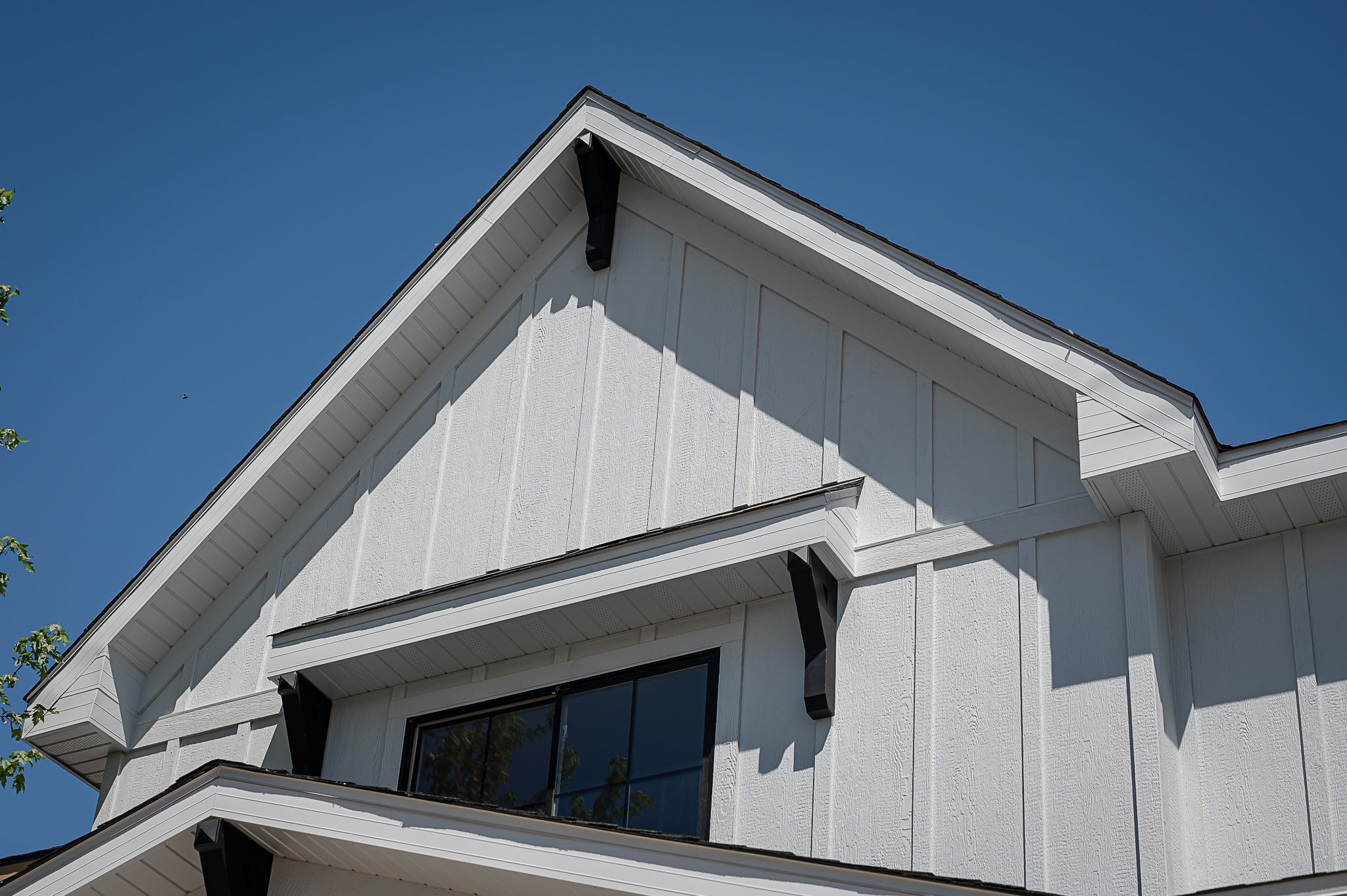
Fiber cement continues to expand in popularity thanks to its strength, stability, and ability to mimic real wood panels without the demanding upkeep. Its dimensional stability and moisture resistance make it an excellent fit for properties in fluctuating climates.
- Moisture resilience: Maintains integrity even in wet conditions.
- Versatile designs: Planks, panels, shingles, and smooth-modern profiles.
2. Engineered Wood Siding
Engineered wood blends traditional charm with modern performance. Manufactured using compressed wood fibers and resin binders, it offers the warmth of natural wood with reduced susceptibility to moisture.
- Authentic textures: Captures the look of traditional wood grain.
- Improved stability: Resists splitting, swelling, and pests.
3. Insulated Vinyl Siding
A step above standard vinyl, insulated vinyl siding includes built-in foam backing that enhances rigidity and energy efficiency. This option helps maintain stable indoor temperatures while improving exterior appearance.
- Better thermal performance: Helps reduce heating and cooling loss.
- Smooth finish: Lays flatter on the exterior wall surface.
4. Metal Cladding
Metal cladding systems such as aluminum and steel bring a sleek, modern appearance with unmatched durability. They resist fire, pests, and decay, making them ideal for homeowners wanting minimal maintenance.
- Weather resistance: Performs exceptionally well in rain, snow, and wind.
- Low upkeep: Requires only occasional cleaning.
5. Brick and Stone Veneers
Brick and stone veneers bring timeless character to any home. These wall panels provide the upscale look of masonry without the weight or installation complexity of full brick. According to the U.S. Census Bureau, brick cladding appears on roughly 19–20% of new single-family homes each year, showing its continued dominance as a durable and desirable exterior material.
- Premium aesthetic: Works well for both traditional and modern designs.
- High durability: Strong performance against weather and impact.
6. Composite Cladding
Composite cladding blends wood fibers, polymers, and resins to produce a high-performance material designed for stability. It resists fading, swelling, and warping, even after long-term outdoor exposure.
- Eco-friendly options: Many products use sustainably sourced or recycled content.
- Ideal for modern styles: Smooth, consistent textures with strong color retention.
7. Stucco
Stucco offers a clean, textured finish that suits a wide range of architectural styles. With modern installation process upgrades, such as added drainage layers, stucco performs better than ever.
- Durable surface: Resists cracking when applied in multiple layers.
- Energy benefits: Works well with exterior insulation systems.
Trend Spotlight: Sustainable and Energy-Efficient Materials
As homeowner priorities shift, sustainability and efficiency have become major forces shaping the exterior cladding market. Many emerging products now emphasize reduced waste, long-lasting performance, and environmentally conscious manufacturing.
Sustainable cladding choices gaining momentum
- Recycled content: Composite cladding often includes reclaimed wood or polymers.
- Sustainably sourced materials: Engineered wood promotes responsible forestry practices.
- Lower transportation impact: Lightweight veneers require less fuel to transport.
Insulation and performance-driven upgrades
- Ventilated designs: Improve airflow behind exterior wall surfaces.
- Foam backers: Increase energy efficiency and support wall panels.
- Moisture management layers: Protect against rot, mold, and trapped water.
Comparing Popular Exterior Cladding Materials

Below is a side-by-side comparison to help clarify long-term performance differences between cladding materials.
| Feature | Fiber Cement | Engineered Wood | Vinyl | Metal | Stone Veneer |
| Durability | Excellent | High | Moderate | Excellent | Excellent |
| Cost | Moderate–High | Moderate | Low | High | High |
| Maintenance | Low | Moderate | Low | Very Low | Low |
| Aesthetic Options | Wide | Wide | Moderate | Modern | Premium |
| Energy Efficiency | Moderate | Moderate | Low–Moderate | Moderate | Low |
This table helps homeowners narrow down which materials align with their priorities, whether cost savings, energy performance, or unmatched durability is most important.
How to Choose the Right Cladding for Your Home
Selecting the right wall cladding depends on climate, budget expectations, and the appearance you want to achieve. Taking time to evaluate these factors ensures that your next project enhances both curb appeal and long-term performance.
Climate and weather conditions
Homes in Merrillville experience wide temperature shifts, moisture, and wind. Fiber cement, metal cladding, and composite cladding typically withstand these conditions well. Vinyl remains popular too, especially insulated versions for added performance.
Budget and value expectations
Vinyl offers affordability and flexibility, while stone veneers and metal panels provide high-end aesthetics. Fiber cement offers a strong balance between cost and durability.
Aesthetic preferences
From warm wood textures to sleek modern designs, today’s cladding offers flexibility for any architectural style. Combining materials—such as wood panels with stone accents—is popular for achieving a layered look.
We’re proud to serve home and business owners in Merrillville, IN, and nearby communities with wall cladding installation, exterior upgrades, repairs, and remodeling services.
Elevate Your Home’s Exterior With Armour Construction

When you’re ready to upgrade your exterior wall cladding, Armour Construction delivers the expertise, precision, and craftsmanship needed for long-lasting results. Our installation process is designed to maximize performance, weather resistance, and the visual impact of your chosen materials.
From fiber cement to composite cladding and metal systems with unmatched durability, we help you choose the right product for your home’s style and functional needs.
Ready to move forward with your next project? Contact Armour Construction today to schedule your consultation.