Chimney Cricket: What It Is and When Your Roof Needs One
The spot where a chimney meets the roof is one of the most leak-prone areas on any home, and a small piece of roof framing is often the only thing standing between your attic and a steady stream of water. A chimney cricket is a peaked structure built behind the chimney that splits rain and snowmelt and sends it safely around the masonry. Understanding how it works is a smart step for anyone planning long-lasting protection for their roof.
In this guide, you will learn:
- What a chimney cricket is and how it protects your roof
- Why this small feature has such a big impact on leak prevention
- The signs your roof may need a chimney cricket
- How crickets are built, installed, and flashed
- Which materials work best and what to expect during installation
Why A Chimney Cricket Protects Your Roof From Water Damage

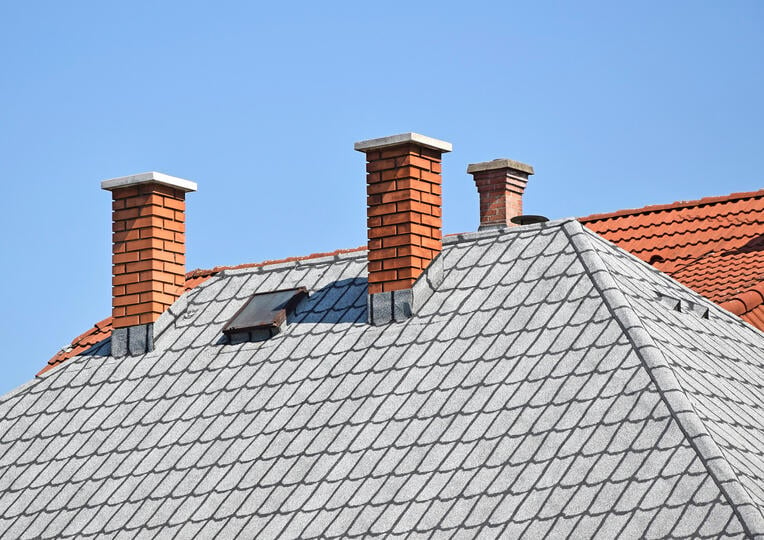
A chimney sits like a wall in the path of everything that flows down your roof. Rain, melting snow, and debris run downhill, hit the back of the chimney, and have nowhere to go. Without a way to redirect that flow, water pools behind the masonry and works its way into the joints around the flashing.
Over time, that constant moisture exposure can break down mortar, rot the decking beneath the shingles, and create leaks that are difficult to trace. Many homeowners only discover the problem after stains appear on an interior ceiling, by which point the damage has usually been building for a while.
Homeowners in Saint John and surrounding areas deal with heavy seasonal moisture, which makes proper water diversion even more important around a chimney. Here is what a well-built cricket does for your home:
- Water Diversion: The sloped ridge splits runoff and guides it around both sides of the chimney instead of letting it collect.
- Leak Prevention: Keeping water moving reduces the pressure on flashing seams, which are the most common source of chimney leaks.
- Snow And Ice Control: A cricket helps shed snow and prevents heavy drifts from building up against the uphill side of the masonry.
- Debris Management: Leaves, pine needles, and shingle granules are less likely to pile up and hold moisture against the chimney.
- Longer Roof Life: Reducing standing water protects the decking, underlayment, and shingles surrounding the chimney.
5 Signs Your Home Needs A Roof Cricket
Not every chimney requires a cricket, but some situations make one close to essential. Here are the most common indicators that your roof would benefit from adding one.
1. Your Chimney Is Wider Than 30 Inches
Building codes commonly call for a cricket on any chimney wider than 30 inches, measured across the width facing the slope. A wide chimney blocks far more roof water than a narrow one, so the amount of runoff that collects behind it grows quickly with size. Local requirements can vary, so it is worth confirming what applies in your area.
- Wider chimneys trap more water and debris on the uphill side
- Many inspectors flag missing crickets on larger chimneys
- Adding one during a roof replacement is far easier than retrofitting later
2. Water Damage Shows Up Near The Chimney
Water stains on the ceiling around the chimney, damp insulation in the attic, or staining on the brick itself often point to water collecting behind the masonry. When flashing alone is carrying the entire load, it can fail early, and a cricket takes much of that burden off.
- Stains often appear after heavy rain or fast snowmelt
- Repeated flashing repairs that never seem to last can signal a drainage problem
- A cricket addresses the cause rather than just patching the symptom
3. Debris Collects Behind The Chimney
If leaves, needles, or moss build up on the uphill side of the chimney every season, water is not draining properly. That trapped debris holds moisture against the roof surface and accelerates deterioration of the shingles and flashing nearby.
- Moss or algae growth behind the chimney is a visible clue
- Granule loss in this area often points to constant moisture exposure
- Debris buildup can also clog the valley and cause overflow in other spots
4. Your Roof Has A Steep Pitch Or Heavy Snow

Steeper roofs send water and snow downhill with more force, and a chimney in that path takes the full impact. In snowy climates, sliding snow can pile against the chimney and put added stress on the flashing and masonry joints.
5. Your Chimney Sits Near The Roof Slope Instead Of The Ridge
Chimneys positioned in the middle of a slope face the most runoff, since the entire roof section above them drains toward the masonry. A chimney that exits at or near the ridge sees far less water, which is why it may not need a cricket at all.
- Mid-slope chimneys almost always benefit from a cricket
- Ridge-adjacent chimneys typically see minimal runoff
- A professional can quickly tell which situation applies to your home during a routine roof inspection
How A Chimney Cricket Is Built: Cricket Installation Step By Step
A cricket might look simple from the ground, but proper construction takes careful framing, accurate measurements, and watertight flashing. Homeowners in Saint John and surrounding areas who hire an experienced crew can expect each step to be handled with precision.
Framing The Structure
The cricket begins as a small wooden frame built on the uphill side of the chimney. The ridge of the frame runs from the chimney outward, sloping down to meet the roof deck on both sides. This framing creates the angled surface that divides water into two paths.
Sheathing And Underlayment
Once the frame is in place, it is covered with roof sheathing, followed by a waterproof underlayment. This layer adds a second line of defense beneath the flashing, which matters because the cricket sits in a high-exposure part of the roof.
Installing Step Flashing And Counterflashing
Flashing is the most critical part of a cricket. Metal pieces are cut and fitted to cover the cricket’s surface and tuck beneath the chimney’s step flashing and counterflashing. Every seam must overlap in the direction water flows so nothing can sneak underneath.
- Seams should always be lapped so water flows over, not into, each joint
- Sealants should supplement the design rather than replace proper overlap
- Counterflashing is set into the masonry mortar joints for a lasting seal
Matching The Roofing
The final step is covering the cricket with matching shingles so the finished work blends with the rest of the roof. Done right, the cricket becomes nearly invisible from the street while still protecting the home. A careful crew will also check the finished area for proper overlap and seal any exposed fasteners before wrapping up the job.
Flashing Materials For Roofing Systems Compared

The flashing on a cricket takes constant exposure to water, sun, and temperature swings, so the material you choose affects how long it lasts. Homeowners in Saint John and surrounding areas often ask which option is the best fit, so here is a side by side look.
| Material | Durability | Typical Cost | Best Suited For |
| Galvanized Steel | Good, resists corrosion when coated properly | Lower | Standard roofs and budget conscious projects |
| Aluminum | Good, lightweight and rust resistant | Lower to moderate | Homes where easy fabrication matters |
| Copper | Excellent, can last for decades | Higher | Premium roofs and homes with a distinctive look |
| Lead Coated Copper | Excellent, flexible and long lasting | Highest | Historic homes and detailed custom work |
Galvanized steel and aluminum are the most common choices for standard residential projects, while copper is often chosen when appearance and longevity are top priorities. Pairing the right metal with high quality sealants and proper installation matters just as much as the material itself.
Planning Cricket Installation During A Roof Replacement
The best time to add a cricket is alongside a full roof replacement, when the area around the chimney is already exposed. Here is what homeowners can expect:
- Roof Inspection: A crew first checks the area around the chimney for hidden damage to decking or flashing.
- Timing: Adding a cricket is easiest during a roof replacement, though it can be done on an existing roof.
- Duration: Most crickets can be completed in a day, depending on chimney size and roof complexity.
- Warranty Considerations: Workmanship warranties often cover flashing installation when done by a licensed roofer.
Protect Your Roof With Proper Flashing And A Well-Built Cricket
A chimney cricket may be small, but it plays an outsized role in keeping water out of your home. From wide masonry that blocks roof runoff to mid-slope chimneys that take constant water exposure, the right cricket can prevent leaks, extend the life of your flashing, and protect the roof around it.
Armour Construction has helped homeowners across Saint John and surrounding areas protect the spots where chimneys meet the roof, with careful framing and flashing built to last. If you have noticed leaks near your chimney or want to know whether your roof needs a cricket, contact us today and let the Armour Construction team keep your home dry for years to come.