
Can You Replace a Roof in Winter? 5 Things to Know
A leak or storm damage does not wait for warm weather, and many homeowners find themselves wondering whether a roof project has to wait until spring. Can you replace a roof in winter is a fair question, and the honest answer is yes in the right conditions, with the right crew and the right materials. Cold temperatures change how roofing materials behave, so knowing what to expect helps you make a smart call about a roof that will protect your home through the rest of the season.
In this guide, you will learn:
- Whether winter roof replacement is realistic for your home
- Five important factors that affect cold weather roofing
- How to prepare your home and schedule for a winter project
- How winter replacement compares with warmer seasons
- When it is better to wait or choose a temporary fix
Why Winter Roof Replacement Is Worth Understanding
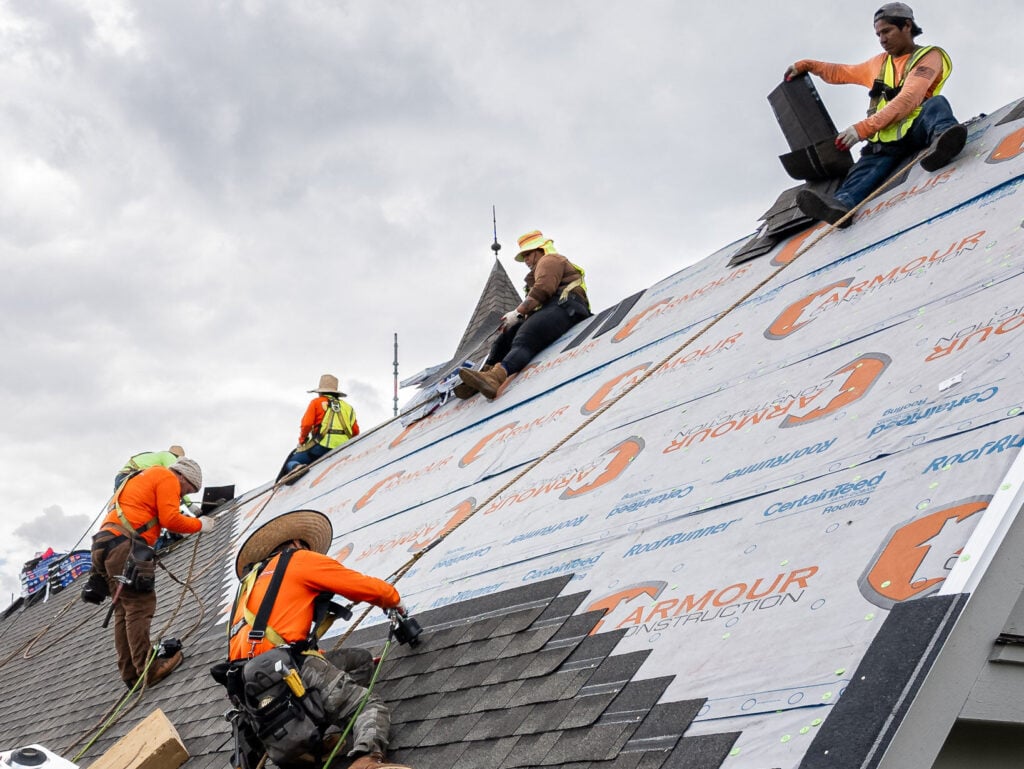
Roofs do not fail on a convenient schedule. Wind, ice, and heavy snow can expose weak spots in the middle of winter, and waiting months for warm weather can allow a small problem to grow into interior water damage. At the same time, rushing a project in poor conditions can shorten the life of a new roof.
The key is understanding which parts of the job are affected by cold and which are not. Some materials, such as metal panels and certain synthetic products, are far less sensitive to temperature, while asphalt shingles need more attention. Knowing the difference helps you ask better questions and avoid costly mistakes.
Homeowners in Schererville and surrounding areas deal with long cold stretches, snow, and rapid temperature changes, so winter projects often come down to timing. Here is why the decision deserves careful thought:
- Urgent Protection: A damaged roof left alone through winter can lead to leaks, mold, and insulation damage.
- Contractor Availability: Crews often have more flexible schedules in colder months, which can shorten wait times.
- Material Performance: Some roofing products handle cold better than others, which affects the right plan.
- Installation Quality: Temperature, moisture, and daylight all influence how well a roof is installed.
- Long-Term Value: A roof installed correctly in winter can perform just as well as one installed in summer.
Five Things To Know About Replacing A Roof In Winter
Winter roofing is not impossible, but it does call for extra care. These five factors explain why the details matter so much.
1. Temperature Affects How Shingles Seal
Asphalt shingles rely on a strip of adhesive that activates with warmth and sunlight to bond each shingle to the one below it. In cold weather that bond can be slow to form, which leaves shingles more exposed to wind lift until they seal. Many manufacturers recommend minimum installation temperatures, so it is worth checking the specific product.
- Cold weather can delay shingle sealing
- Hand sealing can help shingles bond when temperatures are low
- Sunny days after installation help the adhesive activate
- Ask your contractor what temperature range they consider acceptable for your chosen shingle
2. Cold Materials Can Be Brittle
Shingles become stiffer and more prone to cracking when it is very cold, which means they must be handled carefully during transport and installation. Other materials, such as underlayment and sealants, can also behave differently in low temperatures.
- Careful handling reduces cracking and damage
- Storing materials in a warmer place before use can help
- Some products are better suited to cold weather installation than others
- Ask whether your chosen materials have specific cold weather instructions
3. Safety And Weather Windows Are Tighter
Ice, snow, wind, and short daylight hours all make roof work more difficult and more dangerous. A reliable crew pays attention to conditions and will not work on a roof that is unsafe, which can mean schedule changes.
- Frost and ice make roof surfaces slippery
- Shorter days limit the work that can be completed
- Weather delays are common, so flexibility helps
- A crew that stops work for safety is protecting both your roof and its people
4. Moisture Must Be Managed
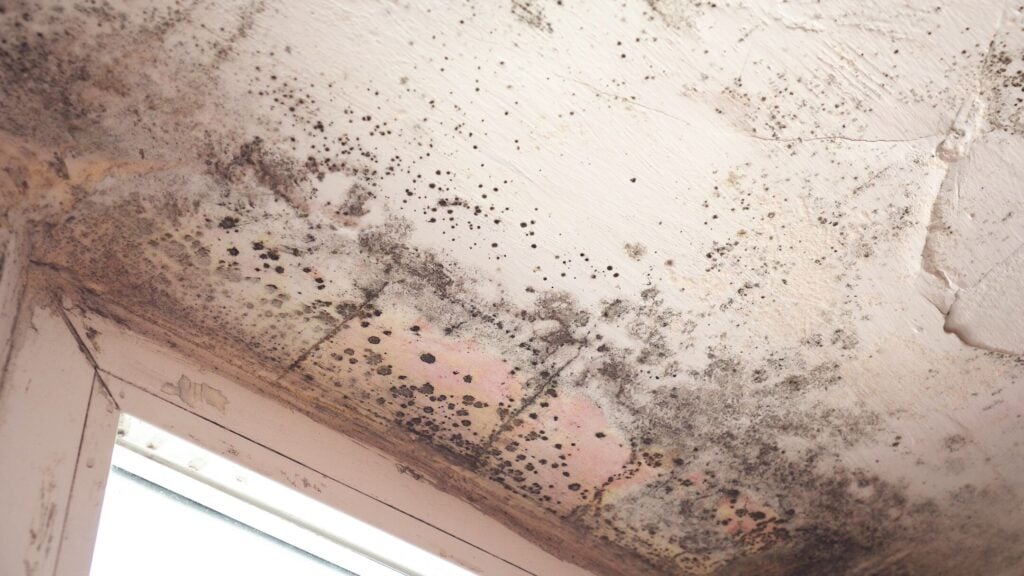
Roof decking should be dry before new materials go on. Trapped moisture beneath the roofing can lead to mold, rot, and other problems down the road. Snow removal, careful inspection of the decking, and protecting open areas from precipitation are all important parts of a winter project.
- Decking should be dry and in good condition
- Open sections must be covered quickly if weather turns
- Wet or damaged decking may need to be replaced
- Proper tarping protects the home if work stops mid project
5. Experience Makes The Biggest Difference
Winter roofing takes know how. A crew that understands cold weather techniques, material limits, and safety practices can deliver a great result, while an inexperienced team may cut corners. Asking the right questions before hiring is one of the best things you can do. Ask about winter projects they have completed, how they handle sealing in cold weather, and what happens if conditions change mid job.
- Request references from recent cold weather projects
- Ask how the crew protects the roof if weather turns
- Make sure the estimate spells out any extra winter precautions
How To Prepare For A Winter Roof Replacement
Preparation makes a winter project run more smoothly and protects your home during the work. Homeowners in Schererville and surrounding areas who plan ahead tend to have fewer surprises.
Talk Through The Schedule
Ask your contractor how weather delays will be handled, and plan for some flexibility, since a rescheduled day is far better than a rushed installation. A good crew will explain what temperature and conditions they need before starting and how they will protect your home if work pauses.
Protect Your Property
Move vehicles away from the work area, and take down fragile items from walls and shelves inside, since roofing work can cause vibration. Clear a path for crews and protect landscaping from falling debris.
Check Your Attic And Ventilation
Cold weather exposes problems with insulation and airflow. Make sure your attic is properly ventilated and insulated, since poor ventilation can cause moisture issues and ice dams that affect even a new roof. A roof replacement is an ideal moment to fix these issues, because the roof structure is already open and accessible.
- Ask about ventilation upgrades during the project
- Consider adding ice and water protection at the eaves
- Keep an eye on the attic for any signs of leaks
Winter Roof Replacement Compared To Other Seasons
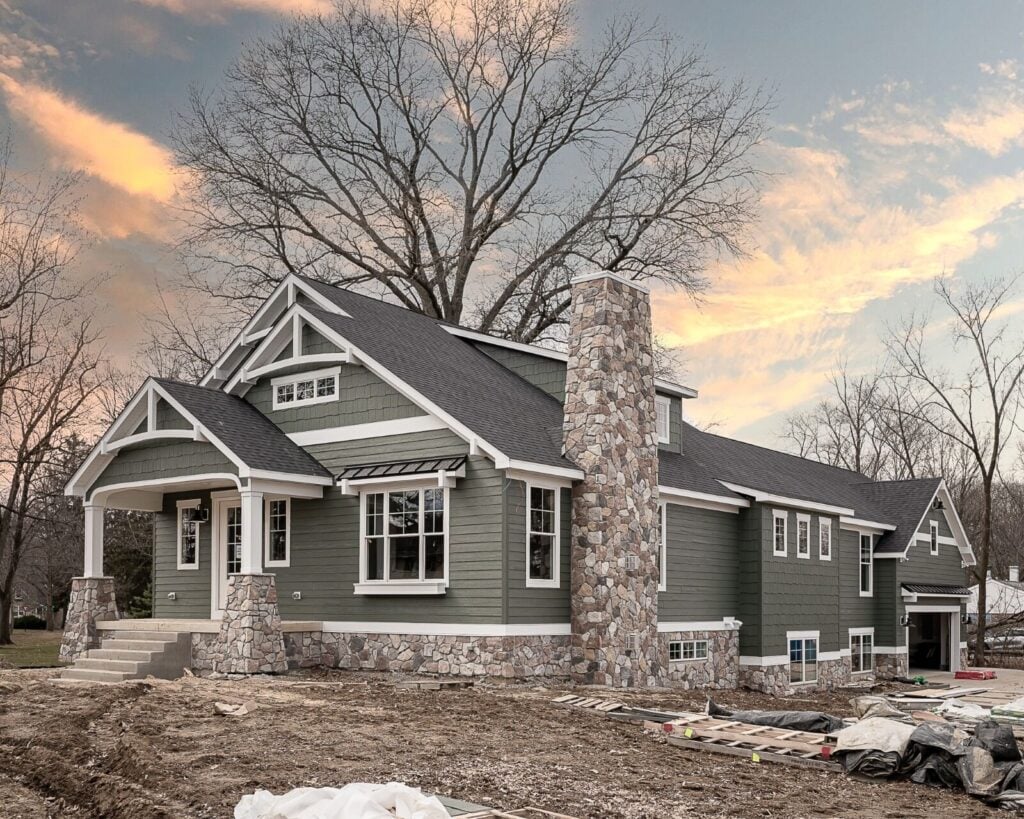
Many homeowners wonder how winter stacks up against warmer months. Homeowners in Schererville and surrounding areas often use a comparison like this when deciding whether to move forward or wait.
| Factor | Winter | Spring Or Fall | Summer |
| Temperature For Sealing | Challenging, may need hand sealing | Generally favorable | Very favorable, though extreme heat can affect handling |
| Contractor Availability | Often more flexible | Busy periods | Busy periods |
| Weather Delays | More frequent | Moderate | Storms can cause delays |
| Material Handling | Brittle materials need care | Easier handling | Hot surfaces need care |
| Daylight Hours | Short | Moderate | Long |
| Best For | Urgent repairs and flexible schedules | Planned replacements | Full scale projects |
When It Makes Sense To Wait
- Extreme Cold Or Heavy Snow: Conditions may be too unsafe or unsuitable for quality work.
- Minor Issues: A small repair or temporary patch may protect the roof until warmer weather.
- Unsealed Materials: If the shingle adhesive cannot activate, waiting can improve performance.
- Non-Urgent Replacements: If the roof is still functioning, waiting for spring may be the safer choice.
When It Makes Sense To Move Forward
- Active Leaks: Water entering the home needs prompt attention.
- Storm Damage: Missing shingles or exposed decking should not sit through winter.
- Insurance Timelines: Some claims have deadlines that make timing important.
- Mild Stretches: A string of warmer, dry days can offer an ideal window.
Protect Your Home Whatever The Season
Replacing a roof in winter is possible, but it takes careful planning, the right materials, and an experienced crew. The best results come from honest conversations about conditions, timing, and the real urgency of the repair. Understanding how cold weather affects shingles, safety, and moisture helps you decide whether to move ahead now or choose a temporary solution until conditions improve.
Armour Construction has helped homeowners across Schererville and surrounding areas protect their homes through every season, with honest advice about when to act and when to wait. We inspect your roof for free, explain what we find in plain language, and never rush you into a project that does not fit the weather. If you are facing storm damage or wondering about the best timing for your roof, contact us today and let the Armour Construction team help you make the right call.