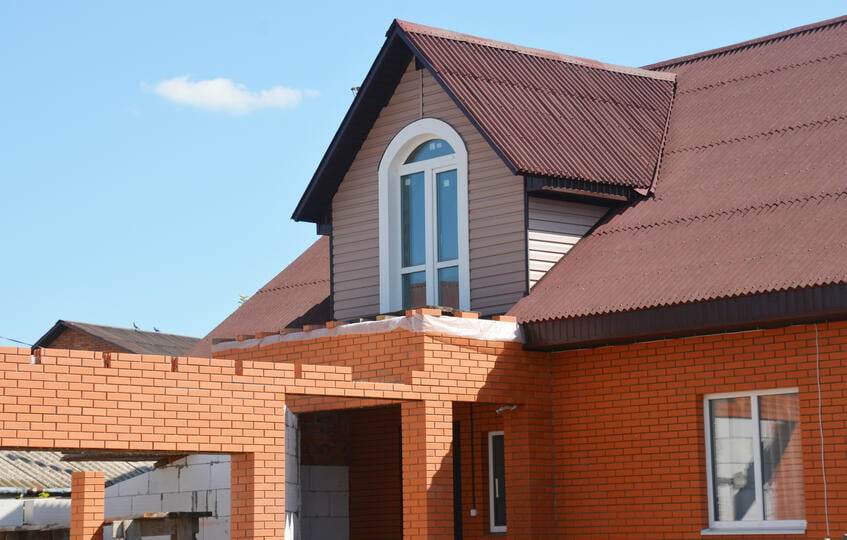
Can You Put Siding Over Brick? 5 Things to Consider
Brick has a reputation for lasting forever, but plenty of homeowners still grow tired of its color, its dated look, or the upkeep it can quietly demand. That is why can you put siding over brick is such a common question during exterior planning. The short answer is often yes, but the details matter a great deal. Before you decide, it helps to understand how moisture, wall depth, and wall condition affect a siding project that lasts.
In this guide, you will learn:
- Whether siding can be installed over an existing brick wall
- Five important factors to weigh before you commit
- Which siding materials tend to work best over brick
- How siding compares to painting or restoring your brick
- What to ask a contractor before work begins
Why This Question Matters For Your Home

Brick walls are heavy, durable, and very different from the wood framed walls most siding is designed to cover. Installing siding over them is not a simple swap, and decisions made at the start can affect how the wall handles water for decades.
Many homeowners also discover that brick is not always a solid wall. Modern homes often use brick as a veneer with a gap behind it, while older homes may have solid masonry, and each construction type calls for a slightly different approach. Knowing which one you have is the first step toward a good plan.
Homeowners in Chesterton and surrounding areas often ask about this option because brick can show age through faded mortar, staining, or a style that no longer fits the home. Here is why the decision deserves careful thought:
- Updated Appearance: New siding can transform a dated brick exterior without a full tear down.
- Moisture Management: Brick absorbs and releases water, so how a new layer handles that moisture is critical.
- Energy Performance: Added layers and insulated siding products can influence comfort and efficiency.
- Long-Term Cost: The upfront investment should be weighed against brick’s very low natural maintenance needs.
- Resale Considerations: Some buyers value authentic brick, so the change can affect how a home is perceived.
Five Things To Consider Before Putting Siding Over Brick
Covering brick can work well when it is planned carefully, but several issues need attention first. Here are the five factors that matter most.
1. Moisture And Drainage Behind The Wall
Brick is porous, and many brick homes use a veneer with a small air gap and weep holes near the base that let moisture escape. This design lets the wall breathe, and it is one of the main reasons brick performs so well over time. If new siding blocks that drainage path, trapped water can lead to damage behind the wall. Any plan should preserve a way for moisture to drain and dry.
- Weep holes should not be sealed shut without a proper alternative
- A water resistant barrier may be needed over the brick surface
- Flashing details at windows, doors, and the base of the wall are critical
2. Furring Strips And Wall Thickness
Siding cannot usually be fastened directly to brick, so installers typically attach furring strips first to create a nailable surface. Using the right masonry fasteners and spacing keeps the strips secure and level. This adds depth to the wall, which affects everything from window trim to door frames.
- Windowsills and trim may need extensions to sit flush with the new surface
- Exterior fixtures, vents, and utility connections may need to be adjusted
- Furring strips can also help create an air space that supports drying
3. The Condition Of The Brick And Mortar

Siding should never be used to hide a problem. Cracked bricks, crumbling mortar, or signs of water intrusion should be repaired before anything is installed over them. Covering an unstable wall only makes problems harder to see and costlier to fix later. A thorough inspection before the project begins protects both the wall and your investment.
- Look for spalling bricks, wide cracks, or leaning sections
- Check for white mineral deposits that suggest moisture movement
- Repair or repoint damaged mortar before covering the wall
4. Cost Compared To Alternatives
Siding over brick can be a meaningful investment, especially once furring, trim adjustments, and flashing are included. Brick itself needs very little maintenance, so it is worth comparing the project against alternatives like cleaning, repointing, or painting. A good estimate should break out the cost of furring, flashing, trim work, and any brick repairs so you can see where the money goes.
- Ask for itemized pricing rather than a single lump sum
- Factor in the long-term savings of reduced exterior maintenance
- Compare against the lifetime cost of keeping and maintaining the brick
5. Local Codes, HOA Rules, And Resale Impact
Some neighborhoods and associations have rules about exterior materials, and permits may be required for a project like this. It is also worth thinking about how future buyers might respond to the change, since authentic brick is a selling point for many. Because the change is hard to reverse, it is smart to be confident in the decision before work starts.
- Confirm local building requirements before ordering materials
- Check HOA guidelines if your community has them
- Consider how long you plan to stay in the home
Siding Materials That Work Over Brick
Not every siding material behaves the same way over a masonry wall. Homeowners in Chesterton and surrounding areas often compare a few popular options, and each has its strengths.
Vinyl Siding
Vinyl is lightweight and budget friendly, which makes it easier to install over furring strips. It comes in a wide range of colors and styles, and insulated versions can add a bit of thermal performance. Because it is light, it puts less demand on the furring system than heavier materials do.
Fiber Cement Siding
Fiber cement is durable, resists pests, and holds paint well, making it a popular choice for homeowners who want a premium look. It is heavier than vinyl, so proper fastening and a solid furring system are important. Homeowners who want a refined, painted look often choose fiber cement for its crisp lines and long service life.
Engineered Wood Siding
Engineered wood offers the look of natural wood with added resistance to moisture and insects. It is a good fit when you want a classic appearance, though it should be installed with careful attention to flashing and drainage. Pairing it with the right moisture barrier and keeping the bottom edge clear of splashback helps it perform well over the long run.
- Vinyl: Lower cost, easy to maintain, many style options
- Fiber Cement: Strong, long lasting, great for a high end look
- Engineered Wood: Warm appearance with improved durability
Siding Over Brick Compared To Other Exterior Updates

Covering brick is only one way to refresh a home, and in some cases a simpler update delivers most of the visual impact for far less money. Homeowners in Chesterton and surrounding areas often weigh it against other options before choosing a direction, so here is a side by side comparison.
| Option | Typical Cost | Maintenance | Reversibility | Best For |
| Siding Over Brick | Higher | Low after installation | Difficult to undo | Homes needing a full style change |
| Painting Brick | Lower to moderate | Periodic repainting | Very difficult to reverse | A color refresh with the brick visible |
| Cleaning And Repointing | Lower to moderate | Very low | Not applicable | Brick in good shape with aging mortar |
| Partial Siding Accents | Moderate | Low | Moderate | Adding contrast on gables or porches |
Questions To Ask Your Contractor
- How will you handle weep holes and drainage behind the siding?
- What furring and flashing system do you recommend for my wall?
- How will windows, doors, and fixtures be adjusted?
- Does the brick need repairs before installation?
- What warranties apply to the materials and workmanship?
Make A Confident Decision About Your Brick Exterior
Putting siding over brick can refresh a home’s look, but it is a project that rewards careful planning. Moisture management, wall condition, and the right installation system all play a role in whether the finished result performs well for years to come. Taking the time to inspect the wall, compare your options, and hire an experienced team can prevent costly surprises.
Armour Construction has helped homeowners across Chesterton and surrounding areas weigh their exterior options and choose solutions that fit both their homes and their budgets. Our team inspects the wall, explains the tradeoffs honestly, and recommends only what makes sense for your home. If you are wondering whether siding is the right move for your brick, contact us today and let the Armour Construction team walk you through the best path forward.